With all of the frolicking we’ve done around Lake Geneva, we were shocked to realize that we hadn’t made use of its extensive network of boat routes to get around the region. And, given that a beautiful scenic cruise across the lake costs the price of public transportation, it’s the best ticket in town!
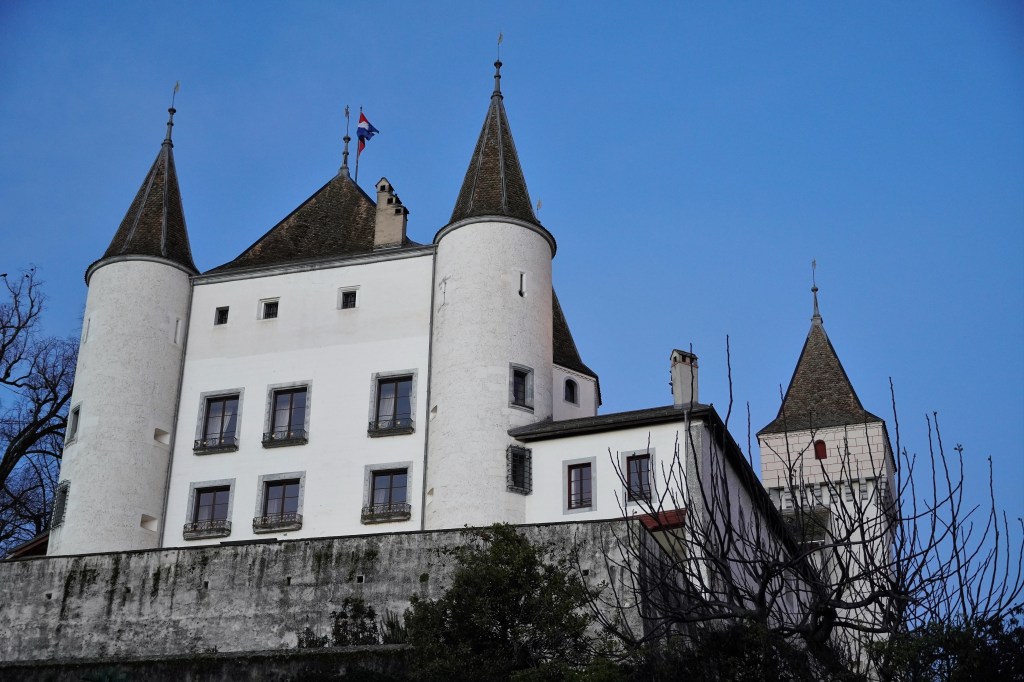
We started our day with an early-morning wake-up call to hop over to Nyon, Geneva’s next-door neighbor and a beautiful historic city in its own right. The pain of dragging ourselves out of bed so early was more than made up for as we strolled the alleys of Nyon before anyone else was awake and caught the very first moments of sunrise over Lake Geneva from the 12th-century Château de Nyon.

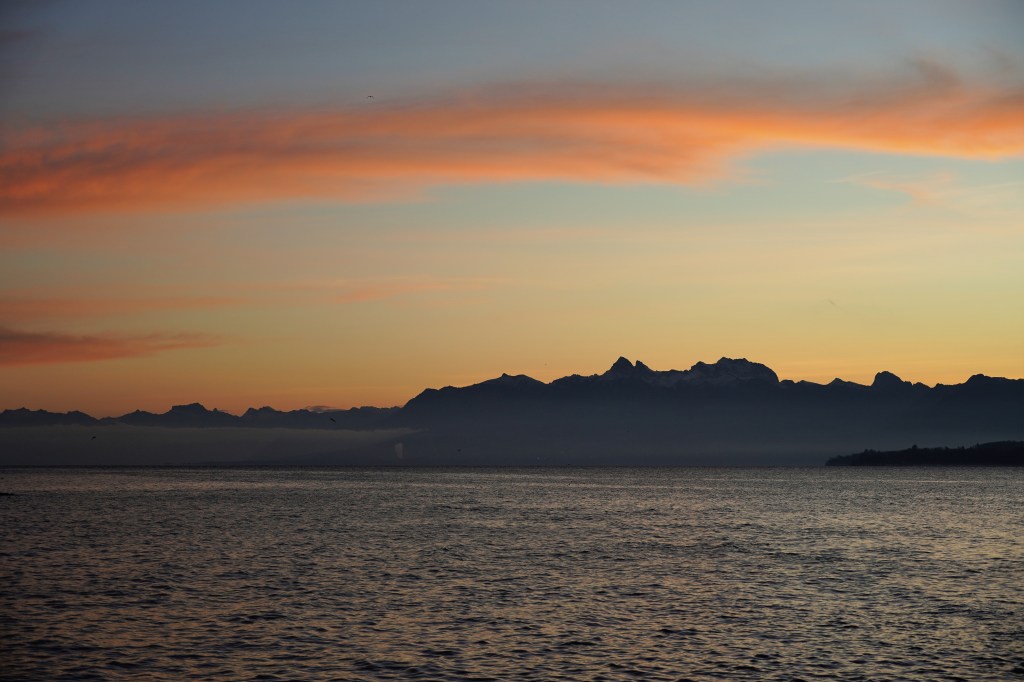
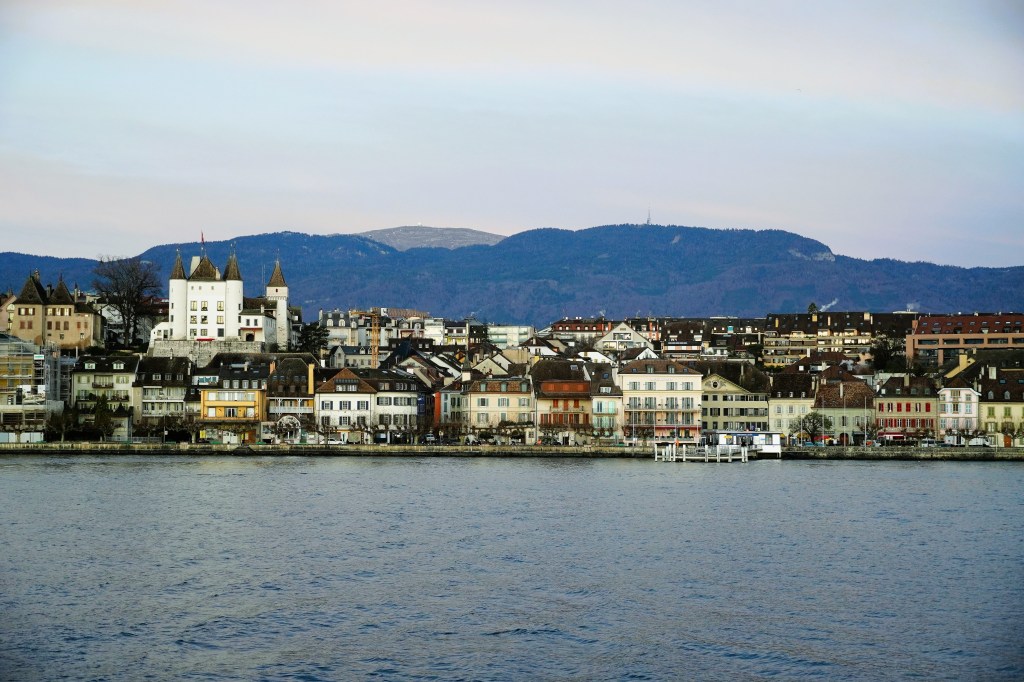
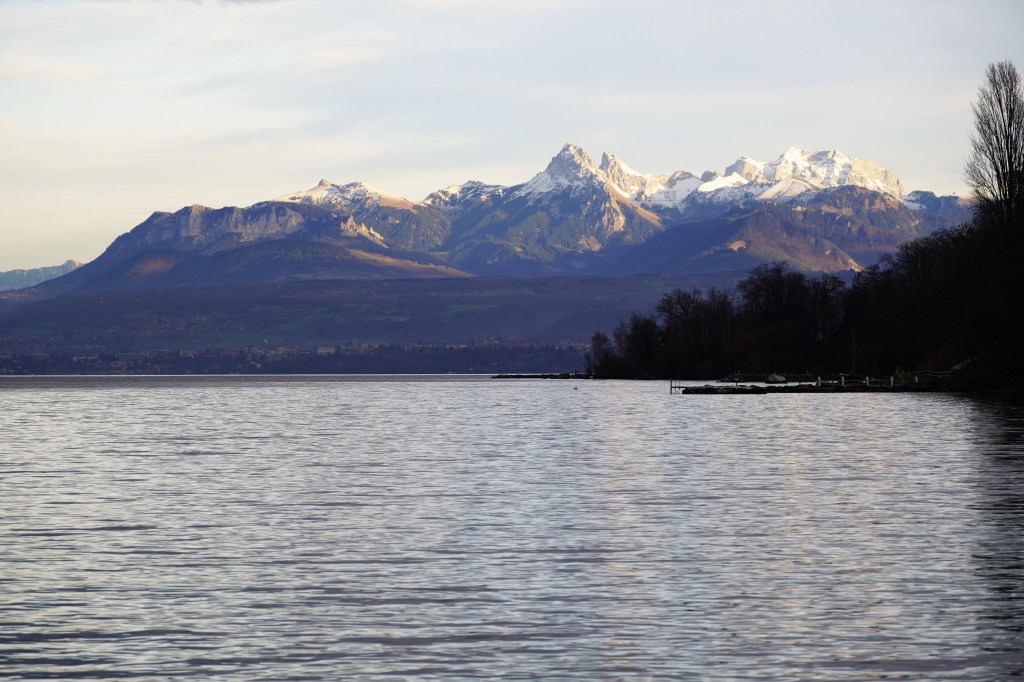
Sunrise over the lake and Alps got better and better as we boarded our boat and set off across Lake Geneva. We really couldn’t decide which way to look: forward towards the Alps and sunrise or back towards the receding views of Nyon and the Jura mountains. It was one of those moments when the extent of how lucky we are to live where we live really hit us in the face.

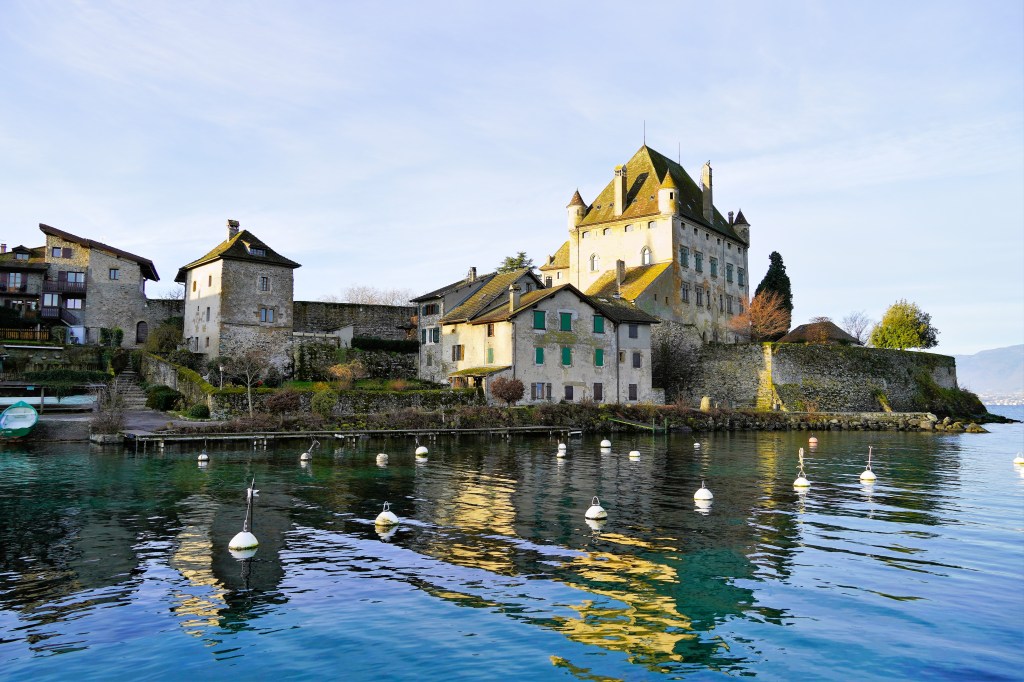
Given that the Switzerland–France border runs lengthwise through Lake Geneva, crossing the lake actually means crossing the border into France. Pretty soon, we were in French waters and nearing our target for the day: the town of Yvoire. Yvoire was built in the early 1300s on the banks of the lake, and like many medieval towns built on the important trading route of Lake Geneva (see Nyon, where we just were), the town’s skyline is dominated by its castle. Different than other castles in the region, however, Château de Yvoire continues to be a private residence of the Yvoire family (can you imagine living in a medieval castle??). With the fortified walls intact and the town prohibiting cars, stepping through the city gates of Yvoire truly feels like stepping back in time.


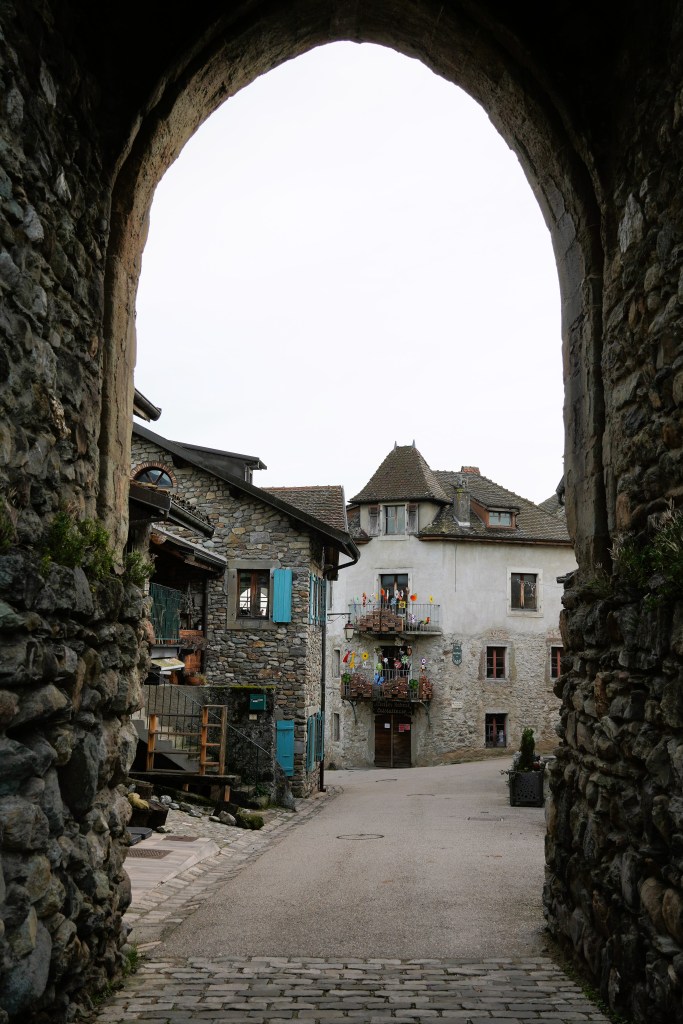
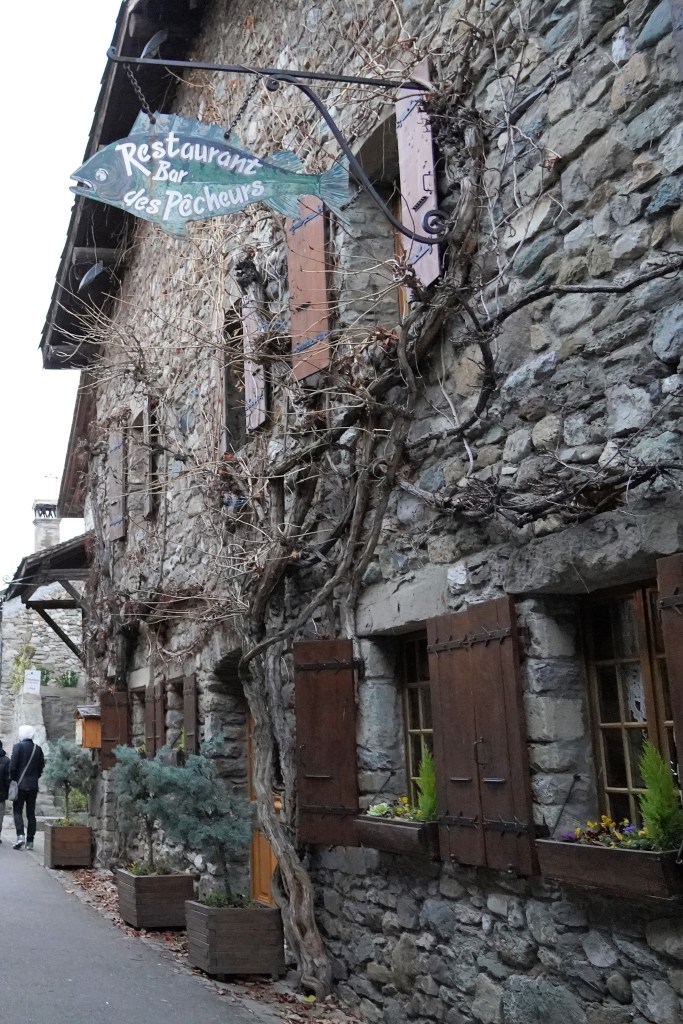
We spent our morning doing what we do best: tossing the map out and getting lost in the cobblestone alleys of the stone town, of course with periodic stops for coffee and croissants. It’s quite amazing to sit in a cafe and realize that people have been sitting and eating and living in this same place for 700 years.
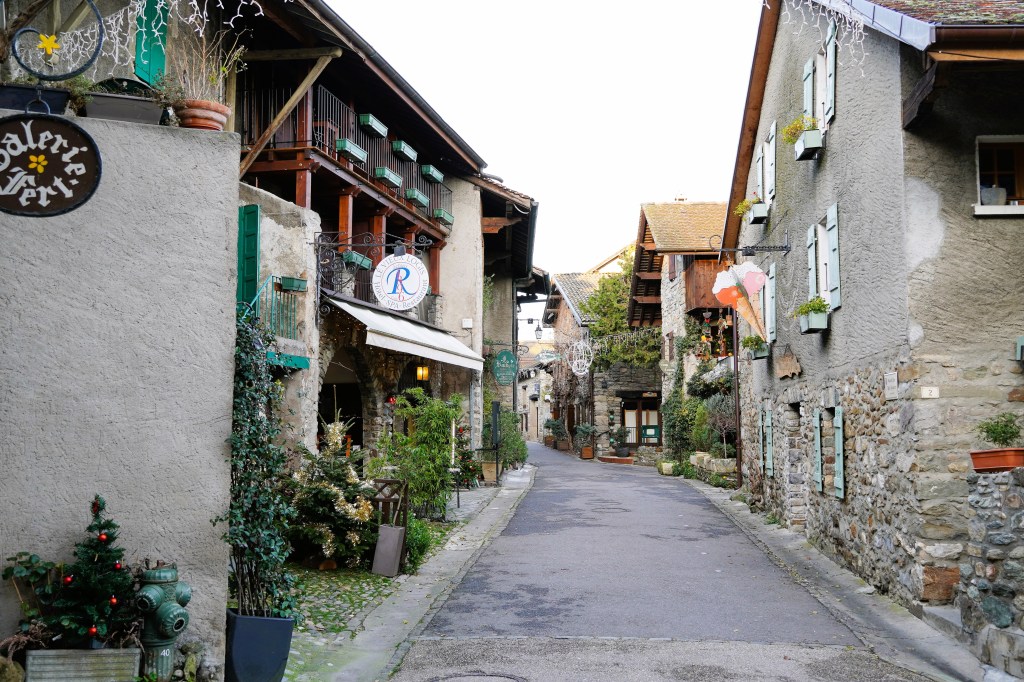
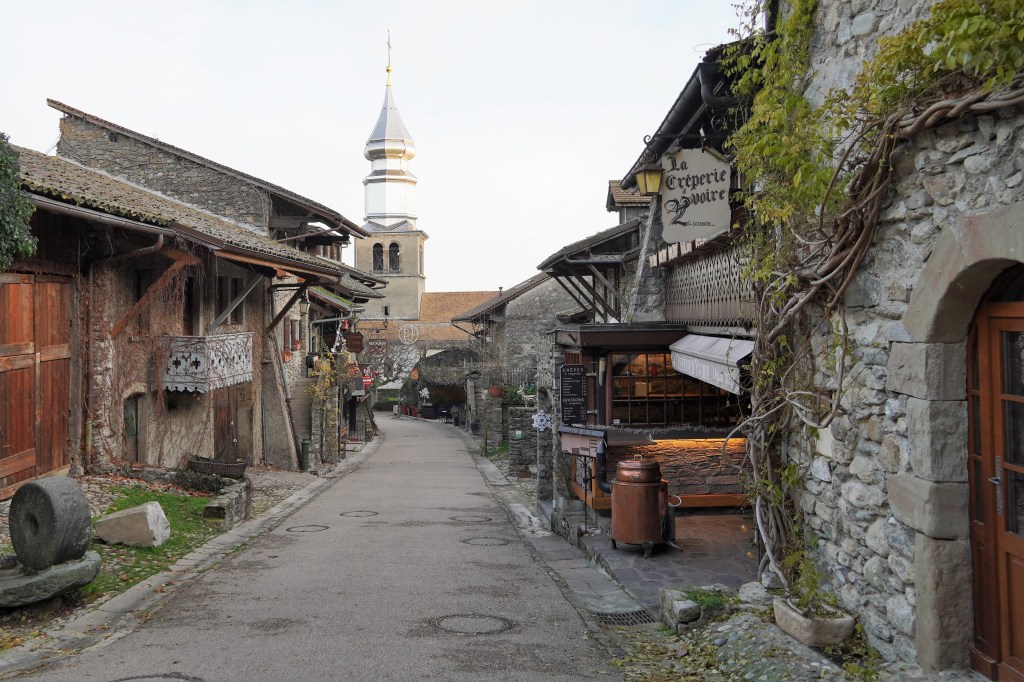
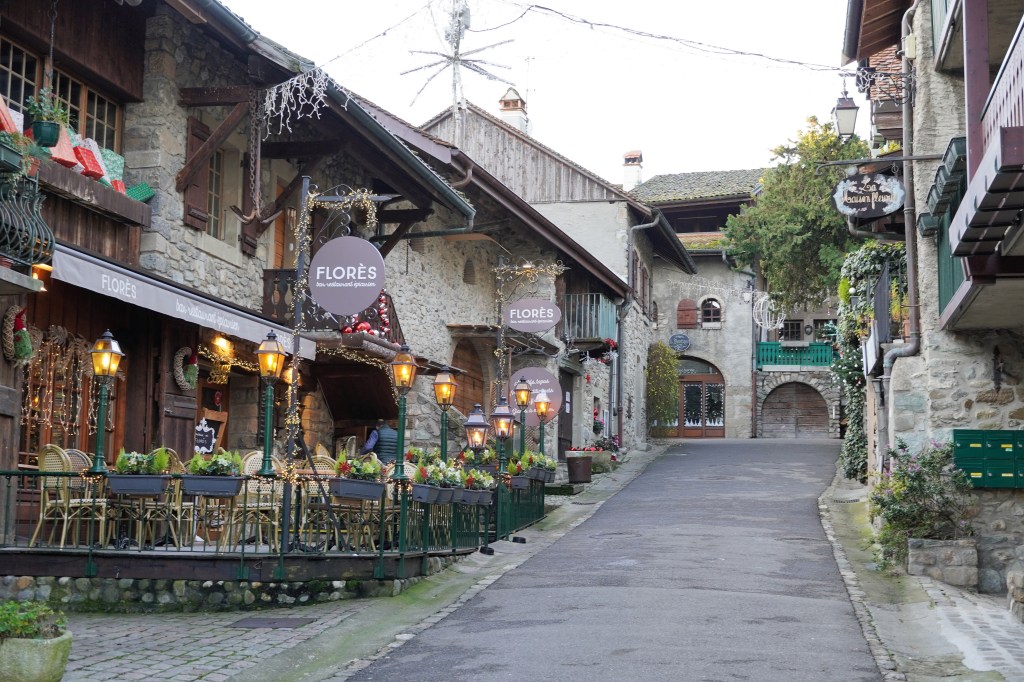


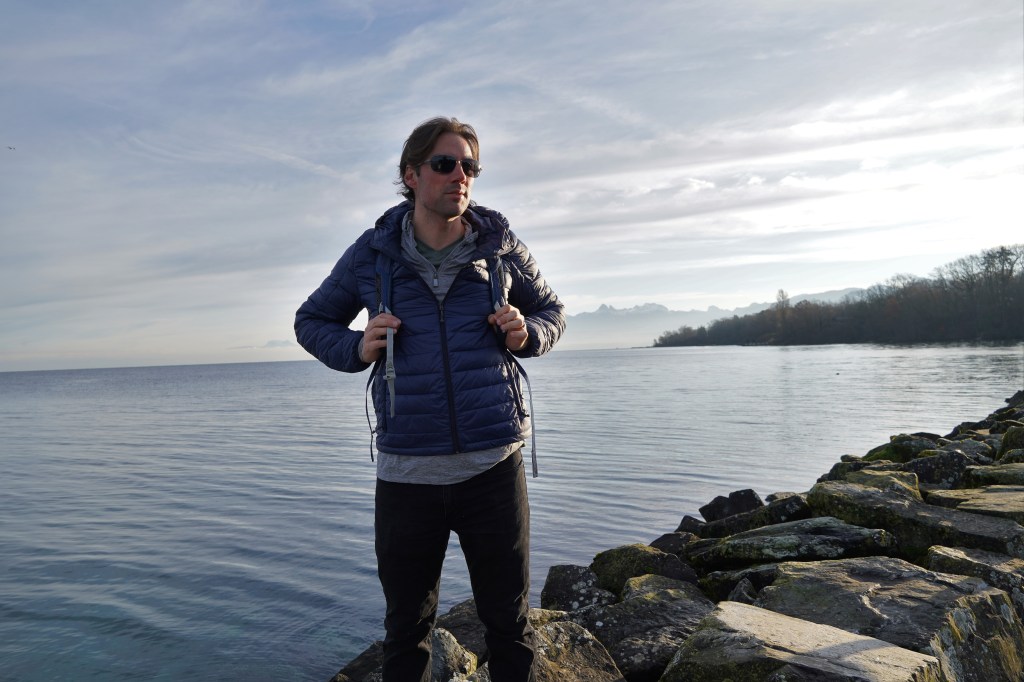
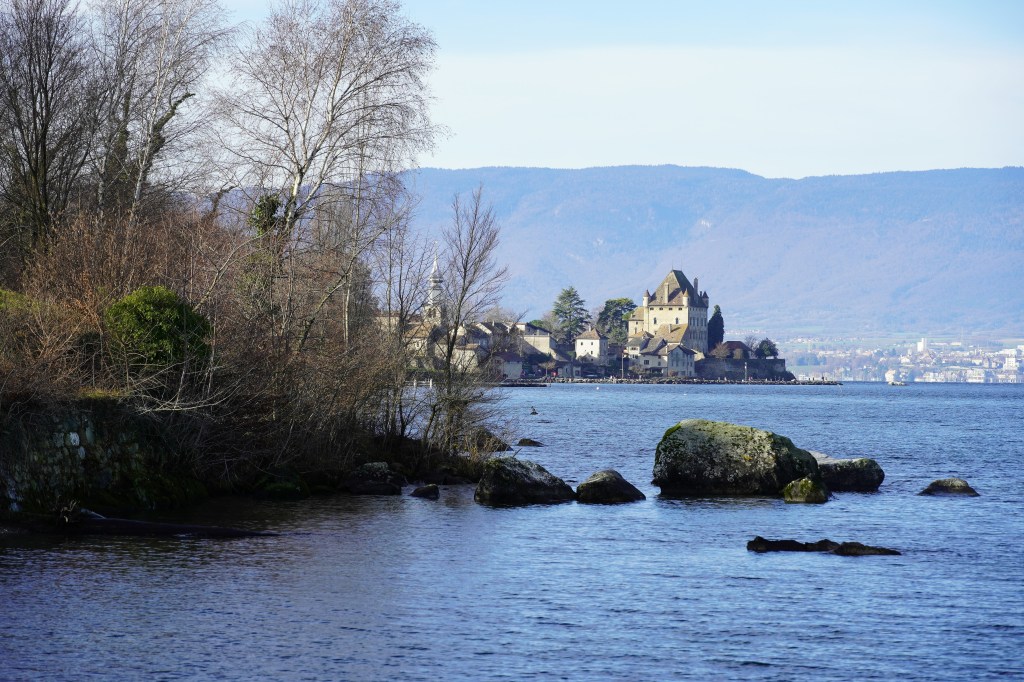
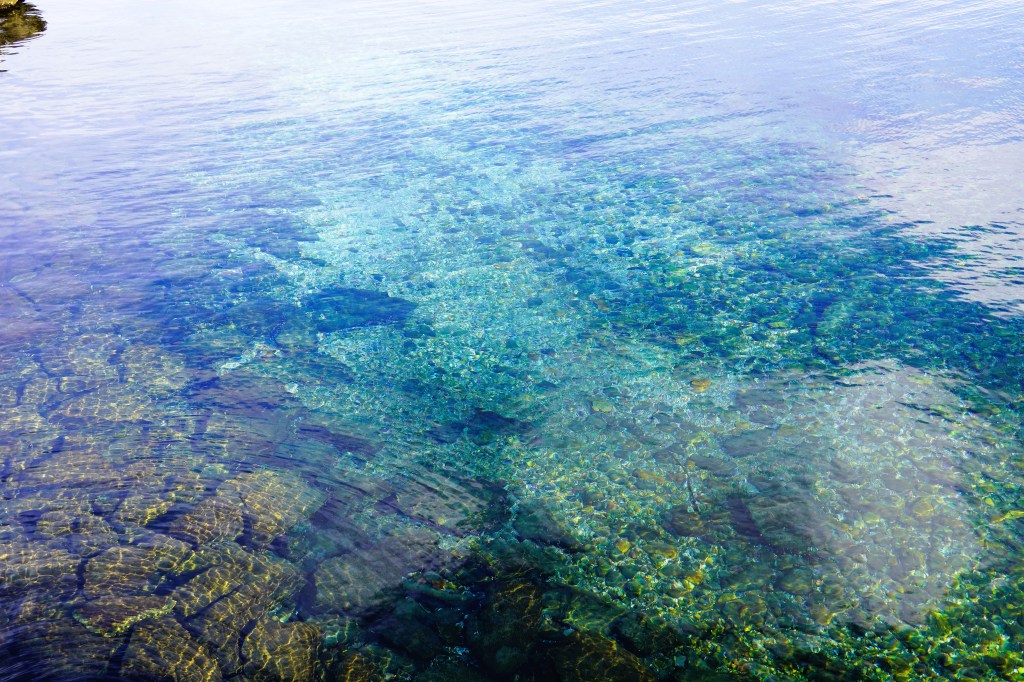
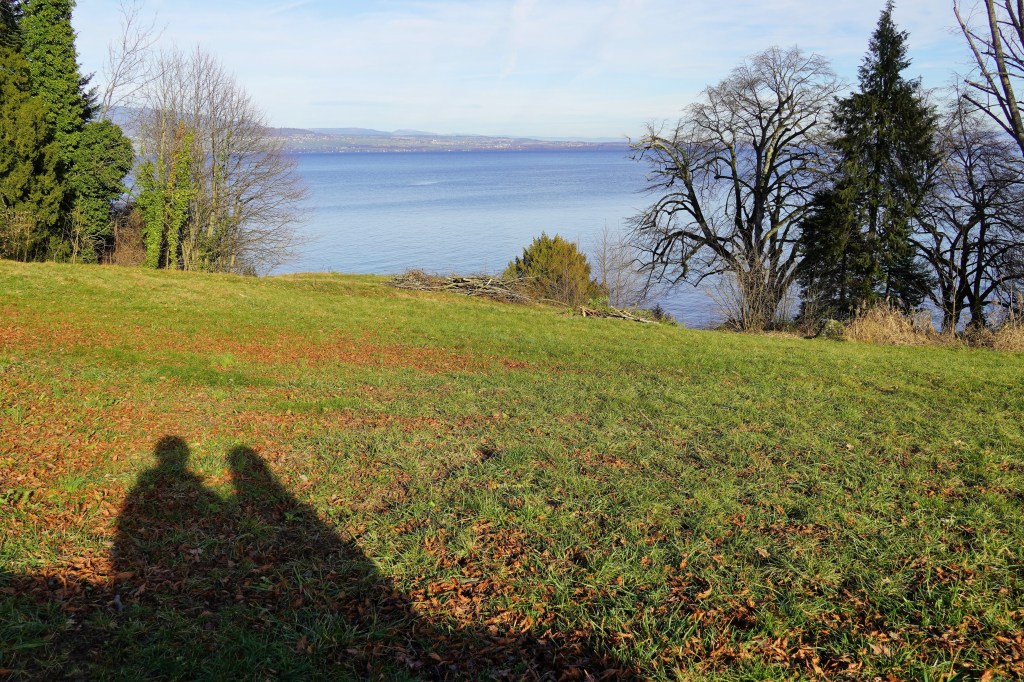
Properly caffeinated and loaded with picnic supplies, we set off on a lakeside stroll. Yvoire looks extra beautiful from the crystal-clear waters of Lake Geneva. I swear, we’ve lived on this lake for almost three years and I still can’t get over my obsession with how clear and blue the water is. We had plenty of opportunities to admire the scenery as we hiked along the lake, passing though farms and chateaux and forest while keeping Lake Geneva in sight.
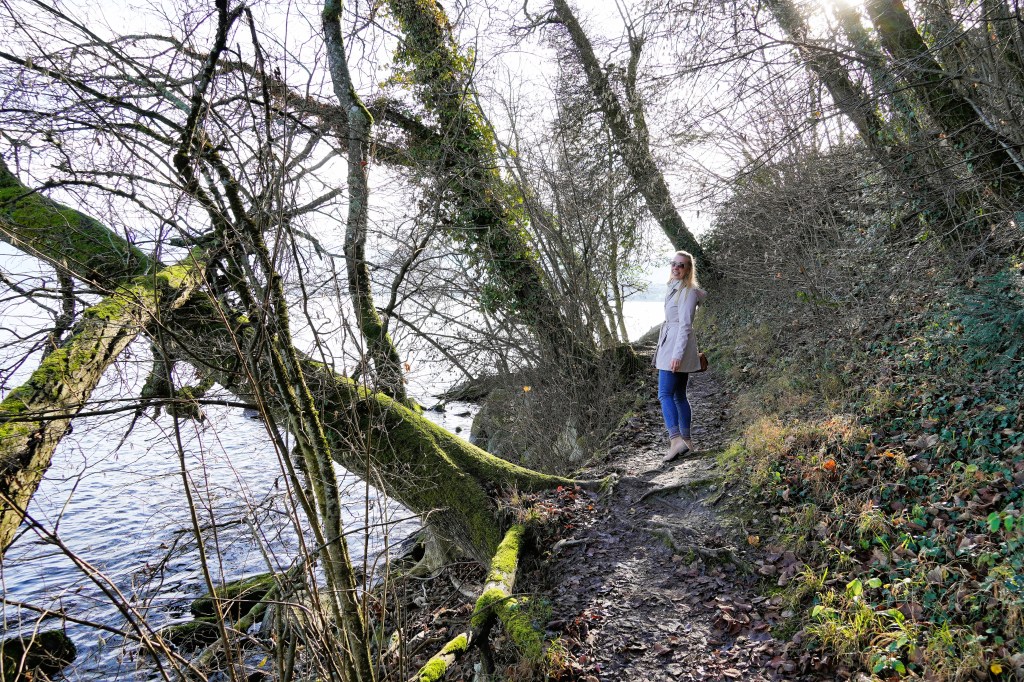

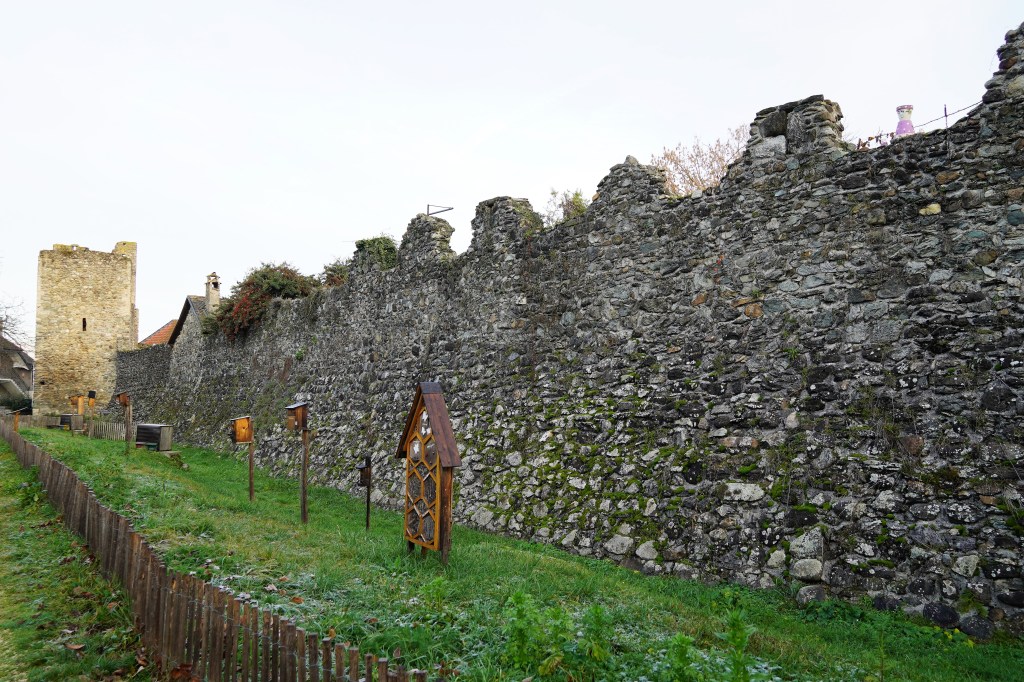
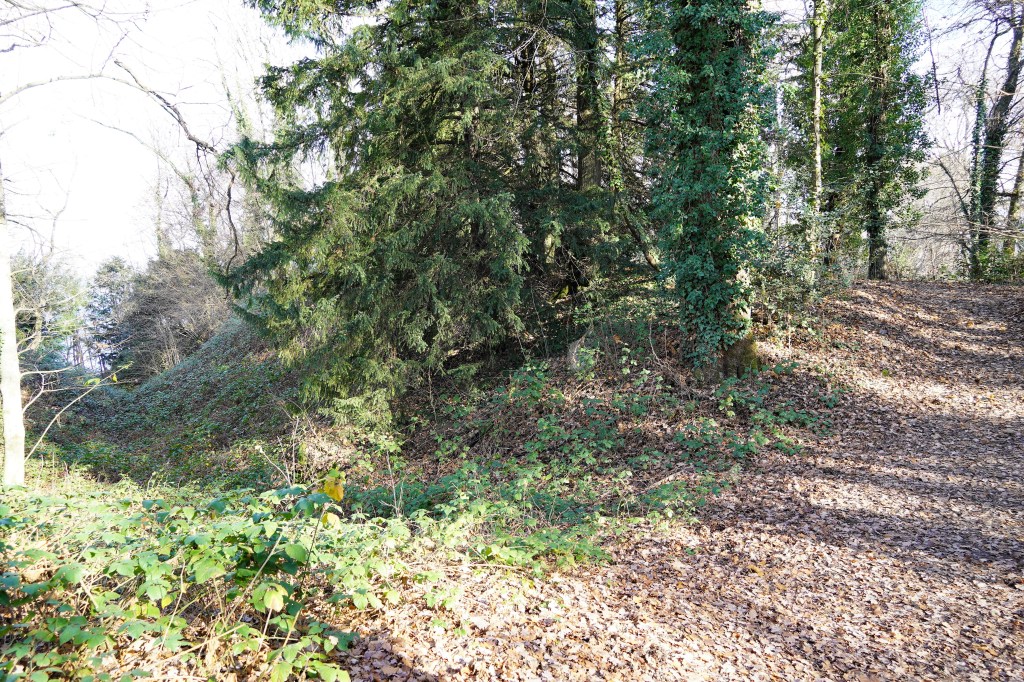
As we walked, we happened upon informational placards placed seemingly randomly around the forest. As we can’t resist the temptation of an informational sign, we of course had to stop to see what they said. As it turned out, we had just hiked over the remains of a medieval town. Those two mini ravines we had just gone through? All that was left of a double moat that surrounded the fortified village. That forested hill that we had just gone up and over? The remains of a hilltop castle. All of the sudden, the peaceful forest took on a whole new meaning. It was for some reason so incredible to stand in the middle of the forest and know that a whole village once stood here—with moats and defensive walls and a castle on a hill and people—and we never would have known. Mother Nature’s ability to fully reclaim a civilization definitely gives you a new appreciation for her power over us little humans.

We spent the rest of our day uncovering every last nook and cranny of Yvoire, shopping around its boutiques, and warding off the evening chill with steaming glasses of vin chaud before catching our evening cruise back to our side of the lake. As we sat on the boat watching the twinkling lights of the towns lining Lake Geneva, we had that unmistakable feeling—that exhausted-in-the-legs, constant-smiles-on-our-faces feeling—that signals the end of a successful day.



 On A Grand Tour
Leave a comment