
Despite my mixed feelings about the season of winter (as I’m sure you can understand, given my very sunny California upbringing), the one undeniable benefit of a wintery winter is the joy that comes with the arrival of spring. The effect the return of color to the world can have on a person after months of living in a world whose primary color palette is gray is quite remarkable. This year, we decided to go further afield to enjoy the springtime flowers. We really had no choice then but to head to the tulip capital of the world—the Netherlands.
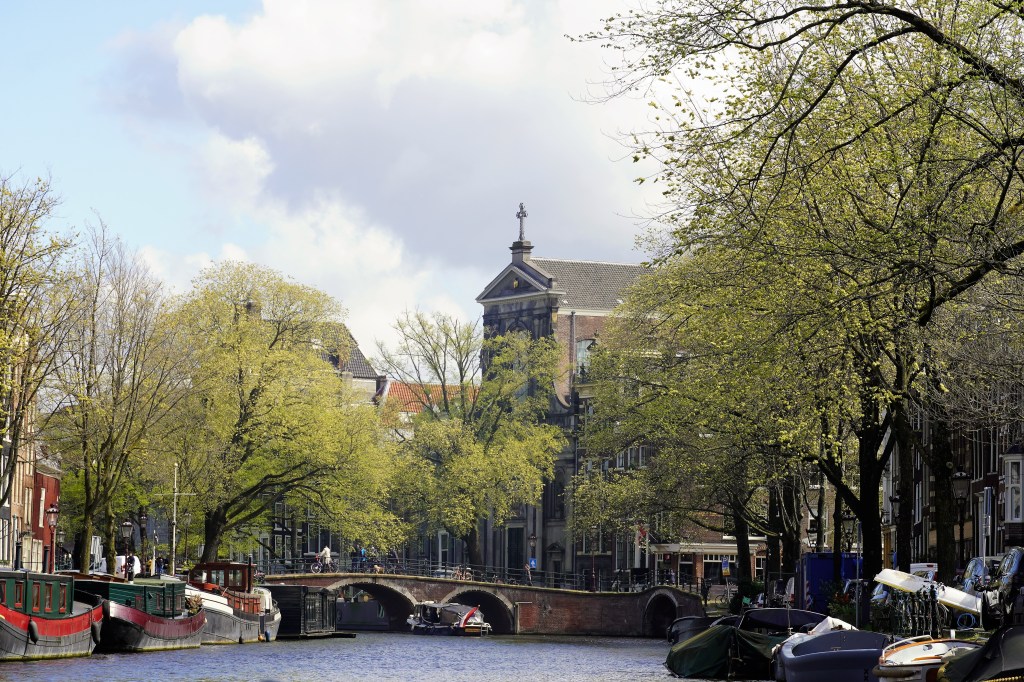
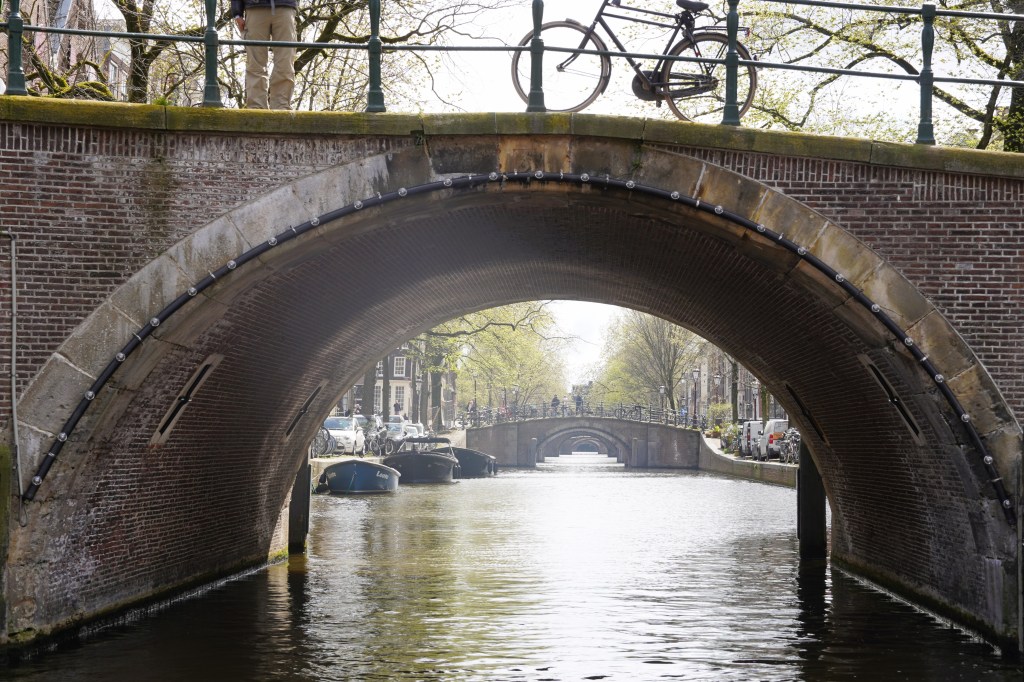
We started our trip with some Amsterdam exploration, and I’m so glad we did, as I now have a new city to add to my list of favorite cities (which seems to be continuously growing). Once our feet hit the ground in Amsterdam, we set out on foot to get our fill of canals and gabled buildings. We crossed canal after canal after canal as we wandered into the heart of the city, stopping to take way too many pictures at every bridge.

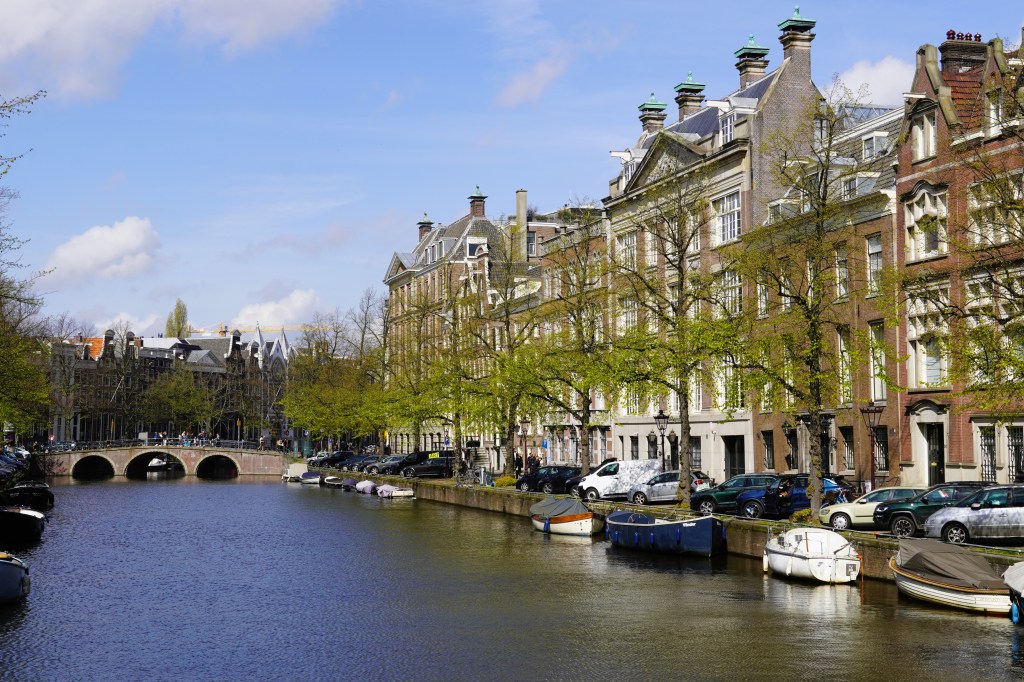
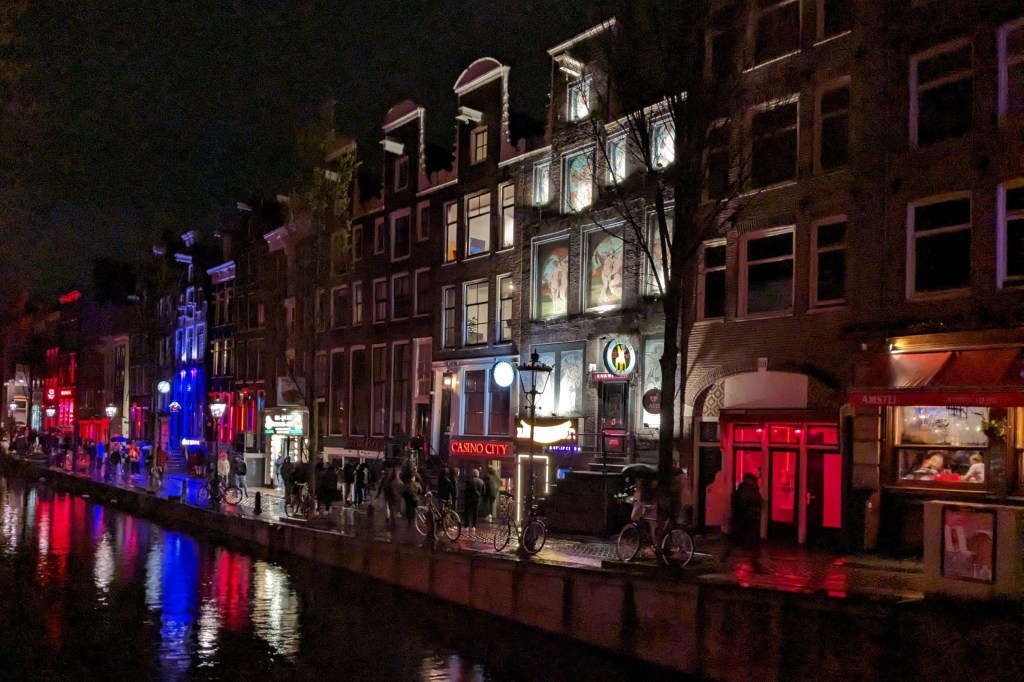
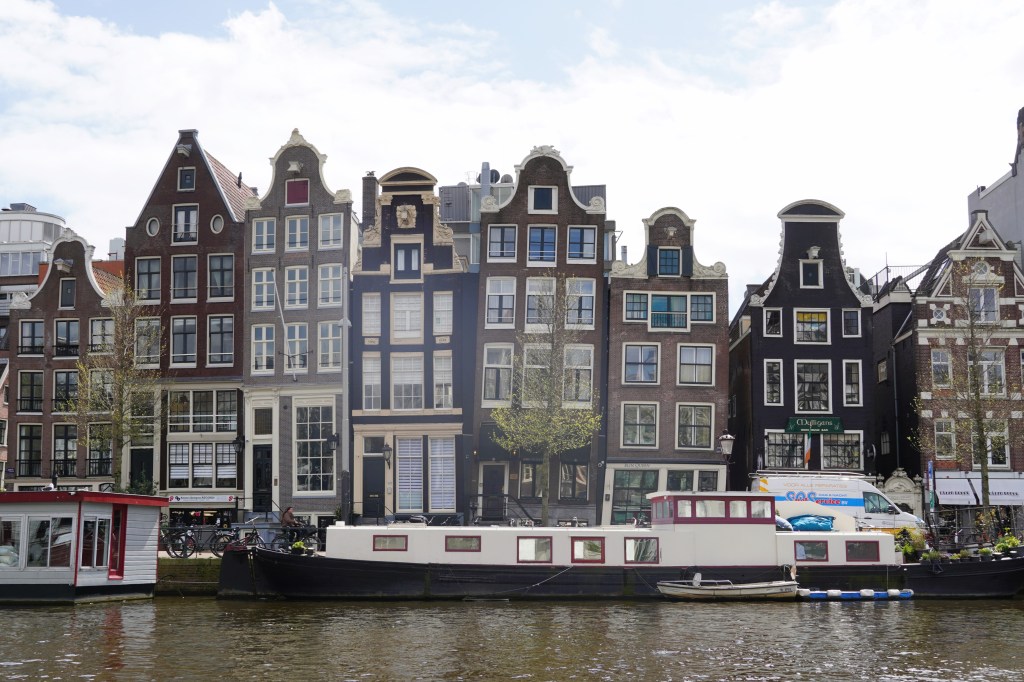
The buildings got older and quainter as we neared the center of the circular-shaped city until we reached the historic and notorious De Wallen district, known to the hordes of tourists as the Red-Light District. The historic architecture and canals are so quaint and harken back to when sailors would frequent this harborside neighborhood during the Dutch seafaring days. Many of the buildings were built in the 16th and 17th centuries when Amsterdam was at the height of its status as a global trading center and the best way to transport goods was via canal. If the buildings look slightly topsy-turvy, your eyes are not deceiving you; this is what happens when a centuries-old city was built on thousands of wood pilings dug into marshy soil. In addition, skinny houses mean skinny interior staircases, and exterior pulley systems were required to raise large items to the upper floors (these systems are apparently still used today when big-screen TVs and couches need to reach top-floor apartments). Tilting the building forward helped to prevent large loads from bumping into the house’s façade. So the buildings that look like they might tumble forward into the canal? That was intentional.
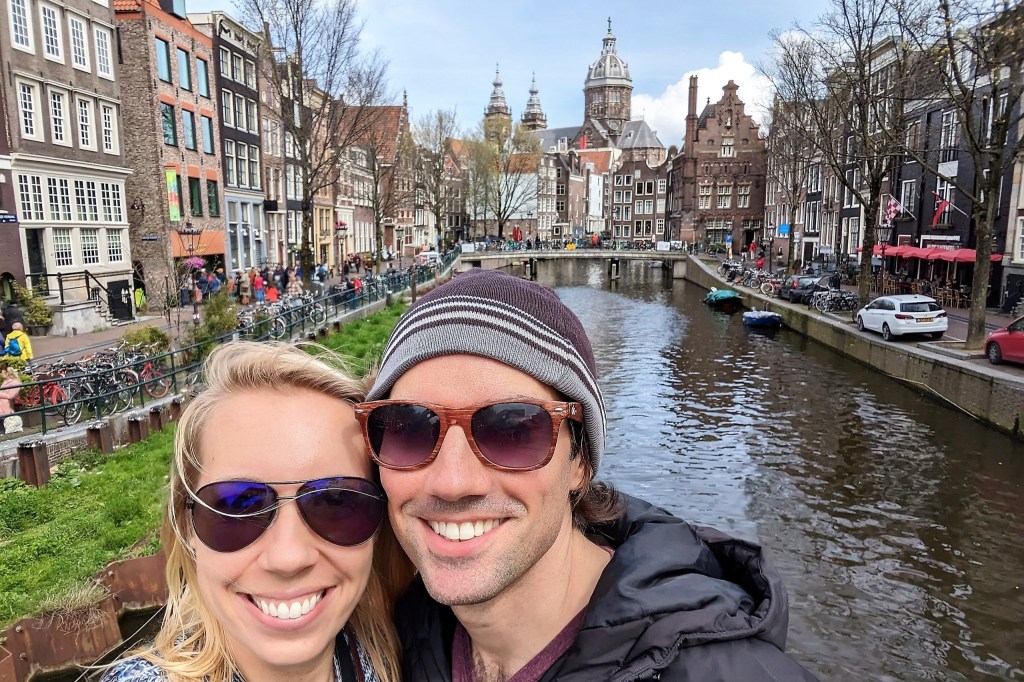
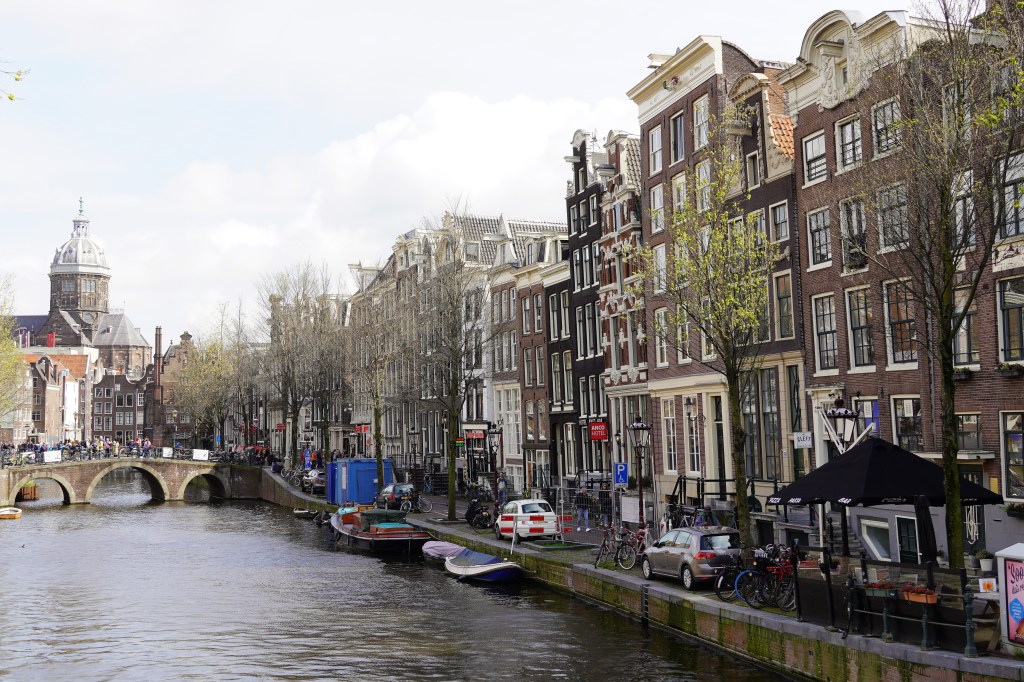

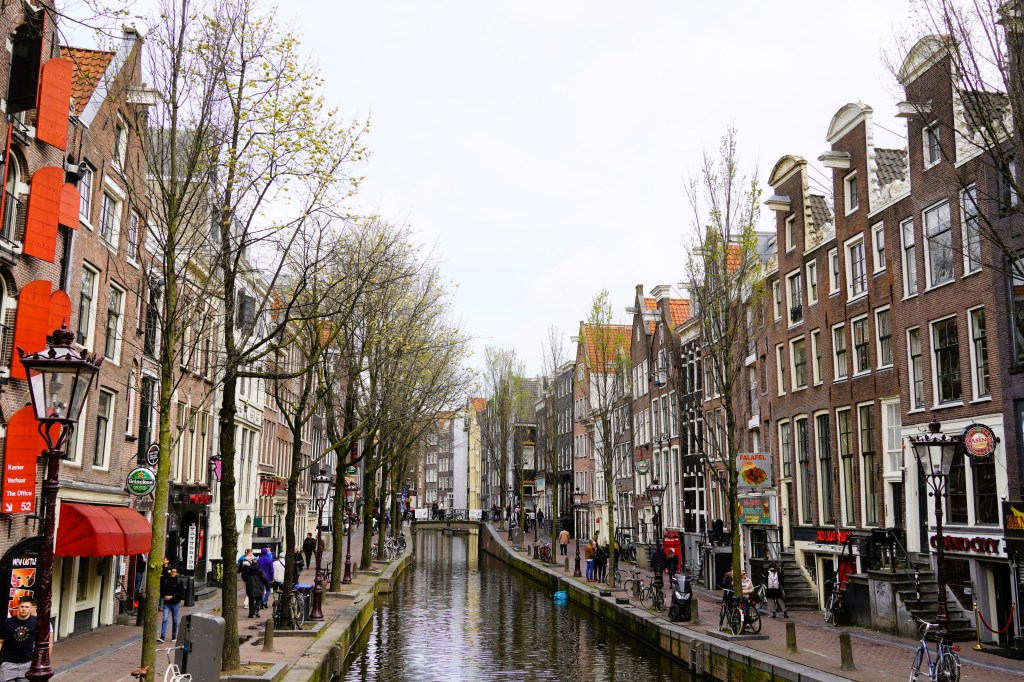
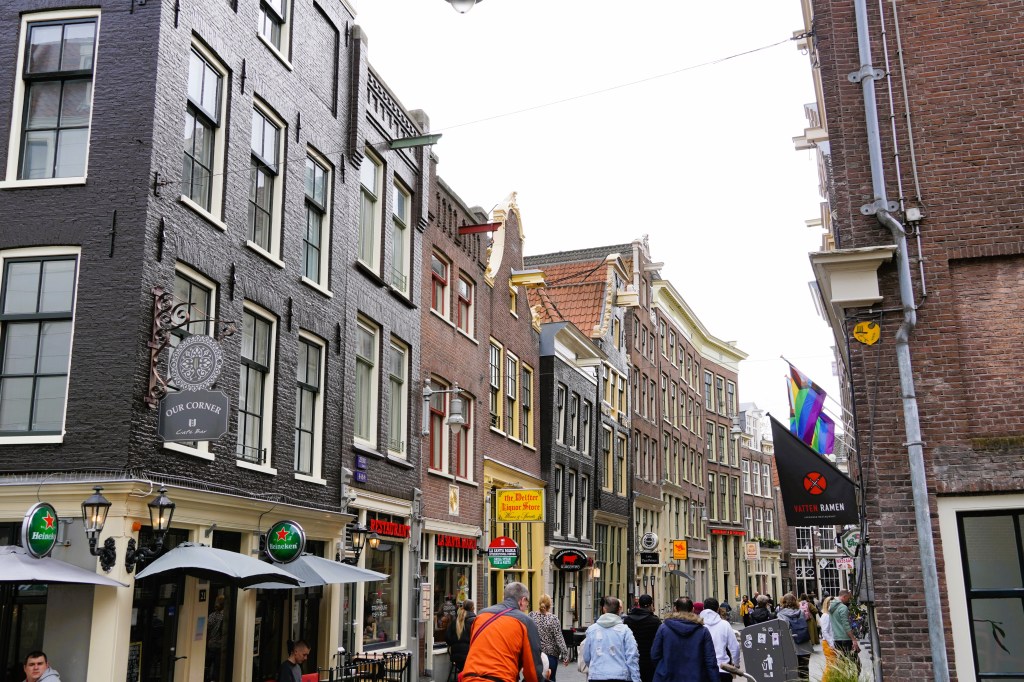
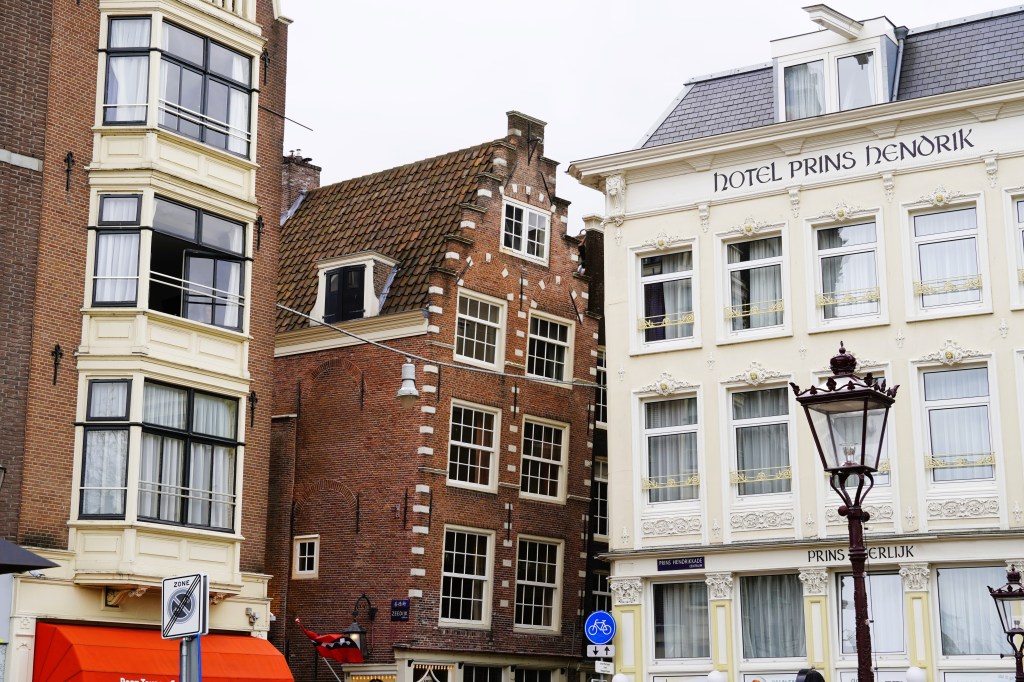
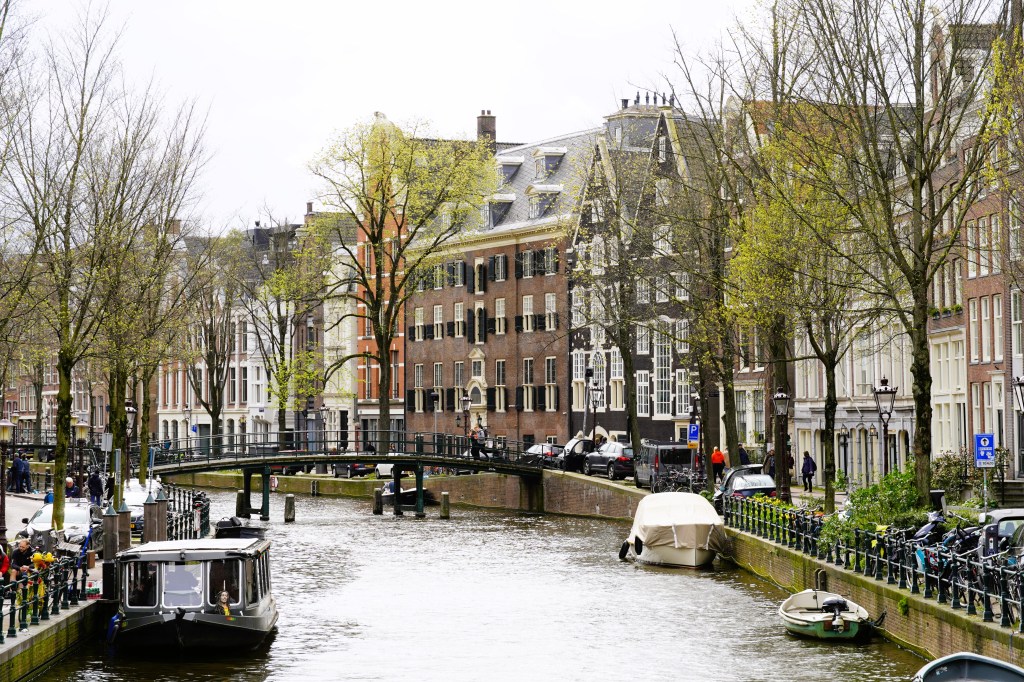
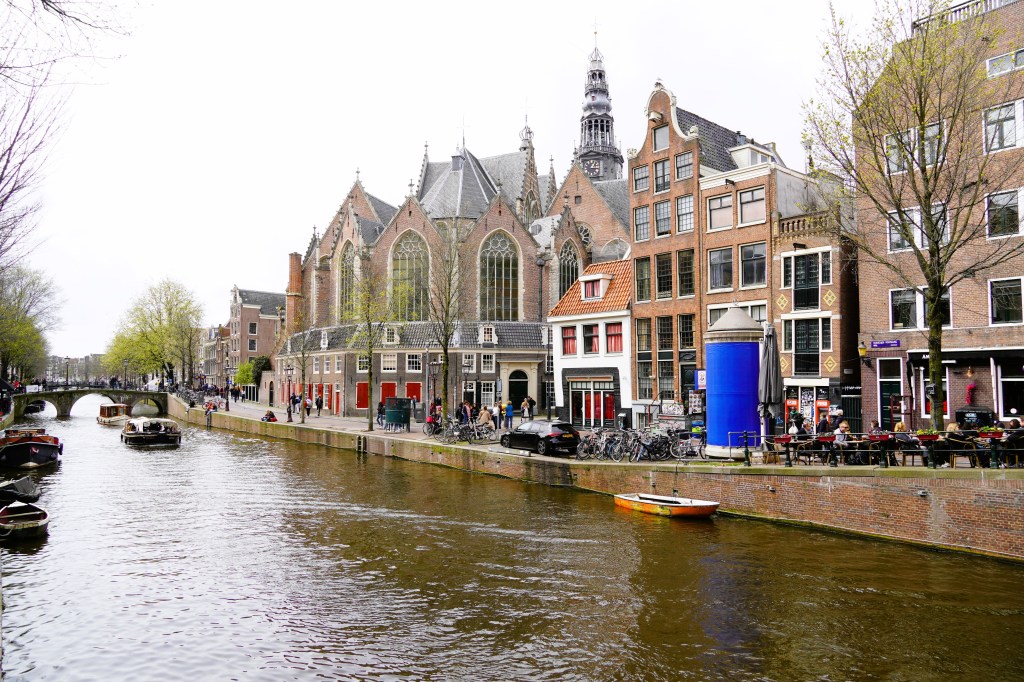
It was fascinating to learn about the culture and politics of the laws legalizing and governing prostitution and marijuana, which were often described as “pragmatic”—as these activities exist in the population regardless of legal status, legalizing them allows the government to regulate them, which hopefully leads to heightened safety and protection for the people working and partaking in these industries. It seems to make logical sense. It was so interesting to see the neighborhood in the relatively calm daytime and appreciate that it is a residential neighborhood, not just a tourist’s playground. Indeed, the 14th-century Old Church and a preschool rub shoulders with sex workers’ windows in the heart of De Wallen. As night fell, the neighborhood became much more bustling, and the famous red lights lit up the entire area.
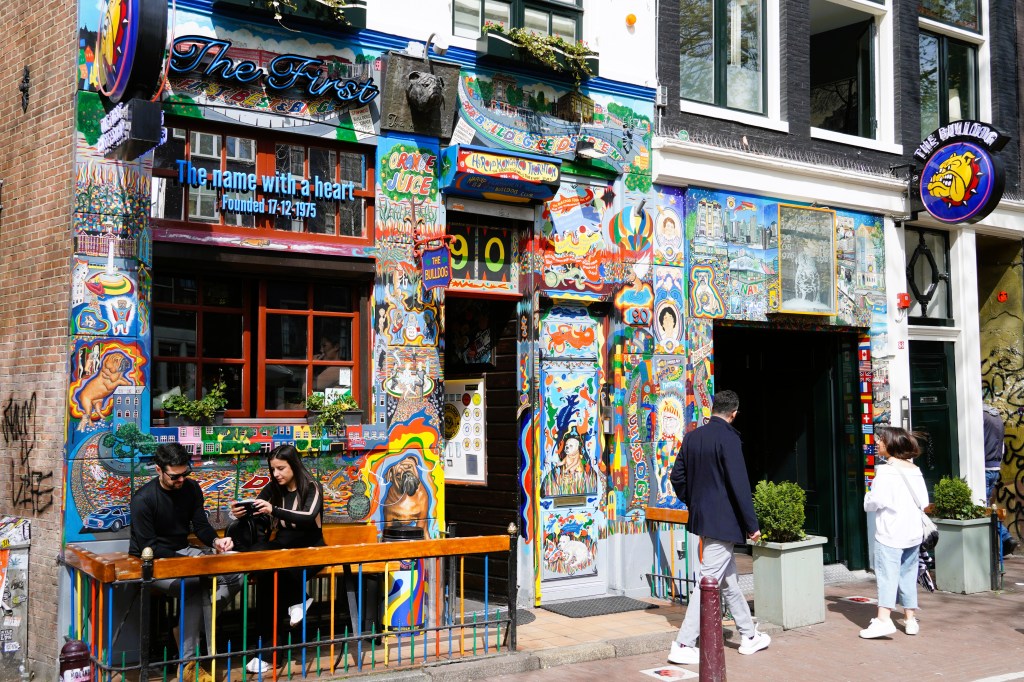
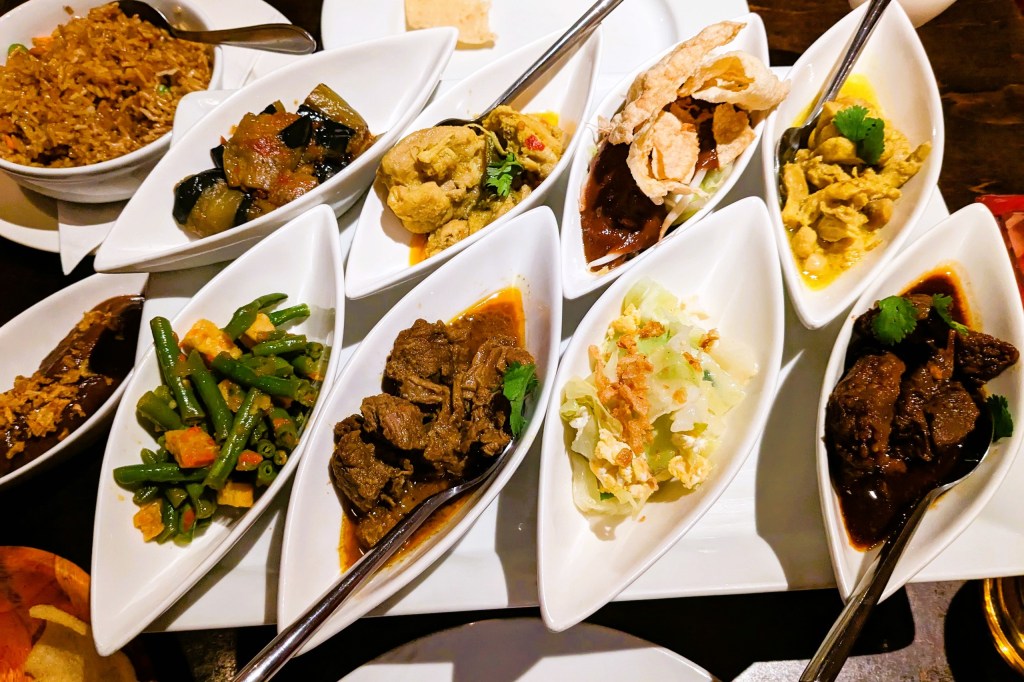
From the city center, we made our way out toward the outer canal rings, hopping from one street food vendor to the next as we worked through the list of Dutch goodies we needed to try. We had goosebumps as we passed Ann Frank’s house and remembered all that happened in the secret annex inside the unassuming canal house. We made our way to the Jordaan neighborhood for less touristy wanderings along quaint canals. And we had one of the most amazing meals, called rijsttafel (or “rice table”), which consists of an array of Indonesian dishes laid out on the table in front of you. It’s basically food heaven and an integral part of Dutch cuisine due to the colonial history of the two countries.

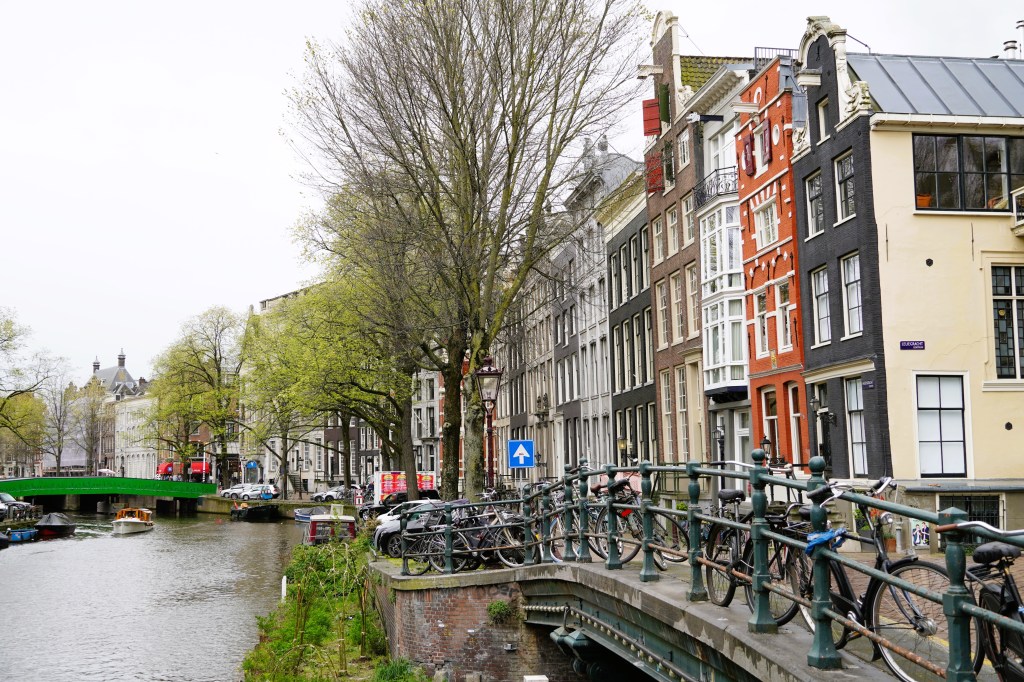
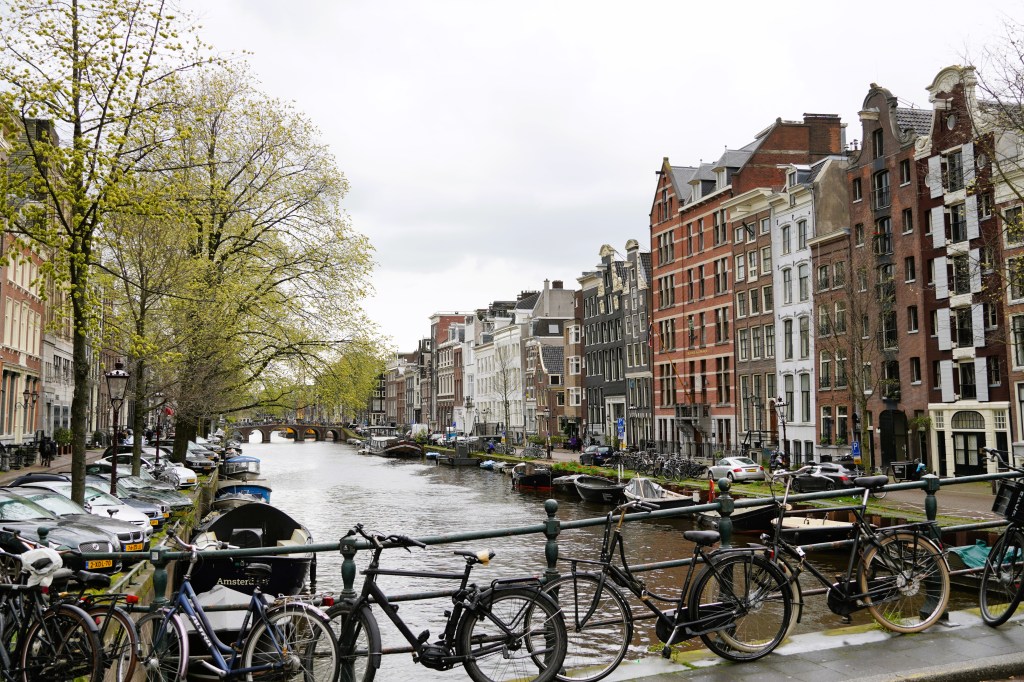
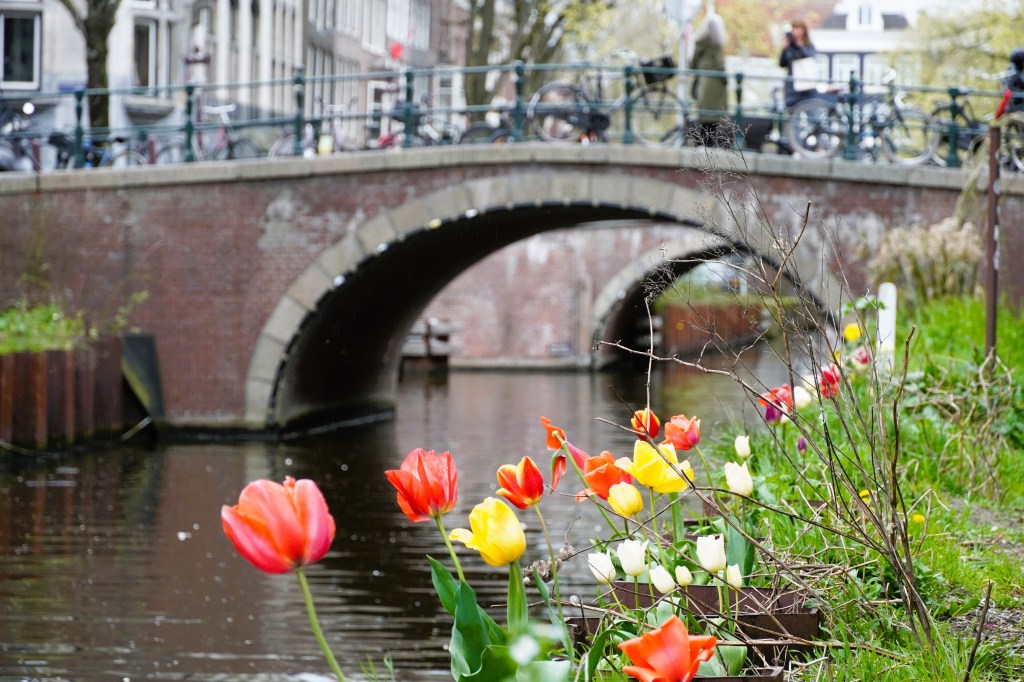
After spending so much time on land in a city governed by water, we decided it was time to hit the canals. We hopped on a canal cruise for a slightly different viewpoint of the city and admired the bridges and canal houses as our boat driver told us all about living life as a “Dutchy,” as he called people from the Netherlands. We even snuck a kiss as we passed under the famous Skinny Bridge, which apparently means that we are stuck together forever (whew, I’m glad we settled that!).

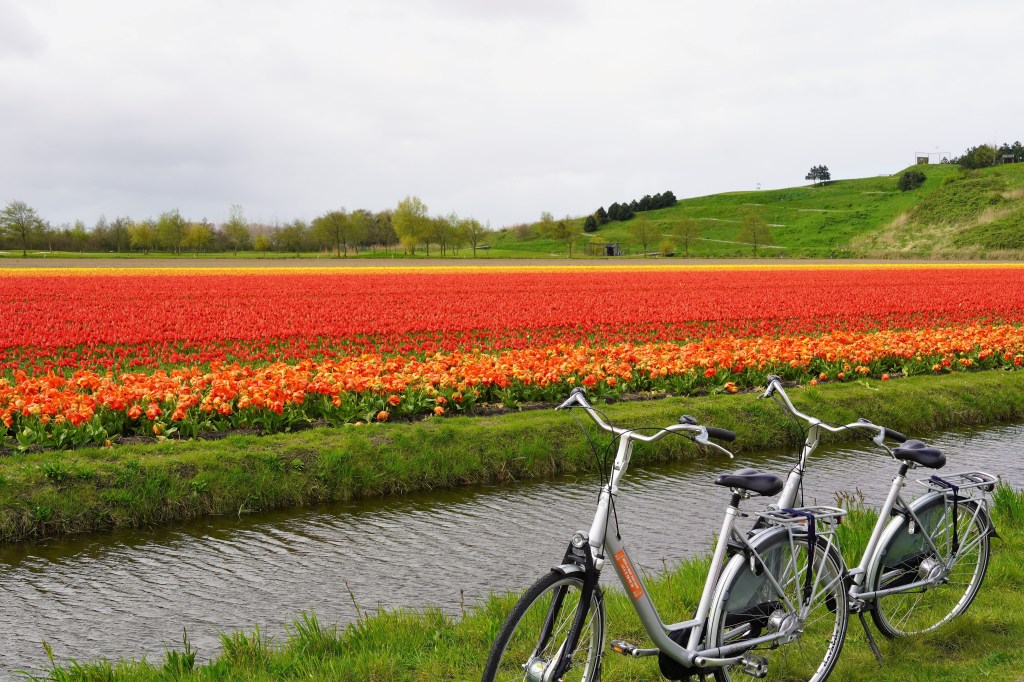
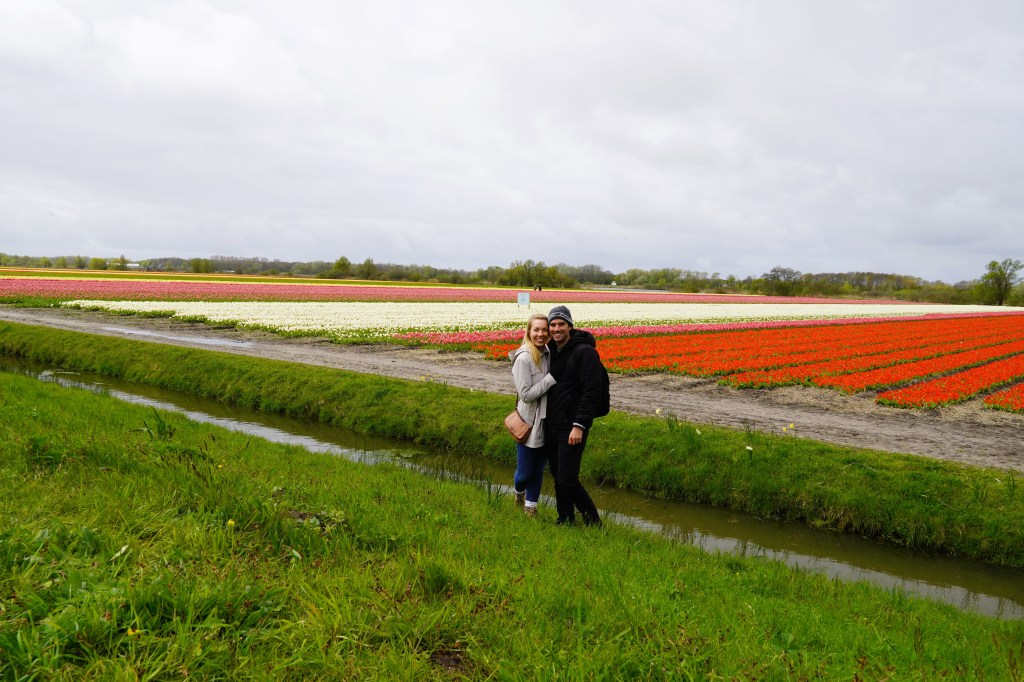
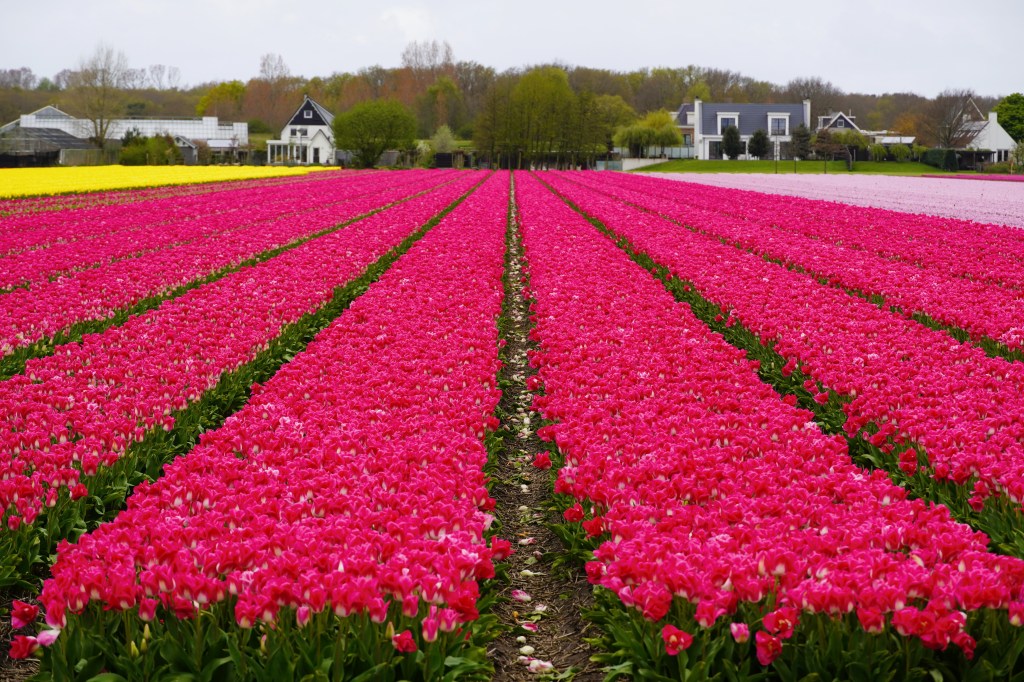
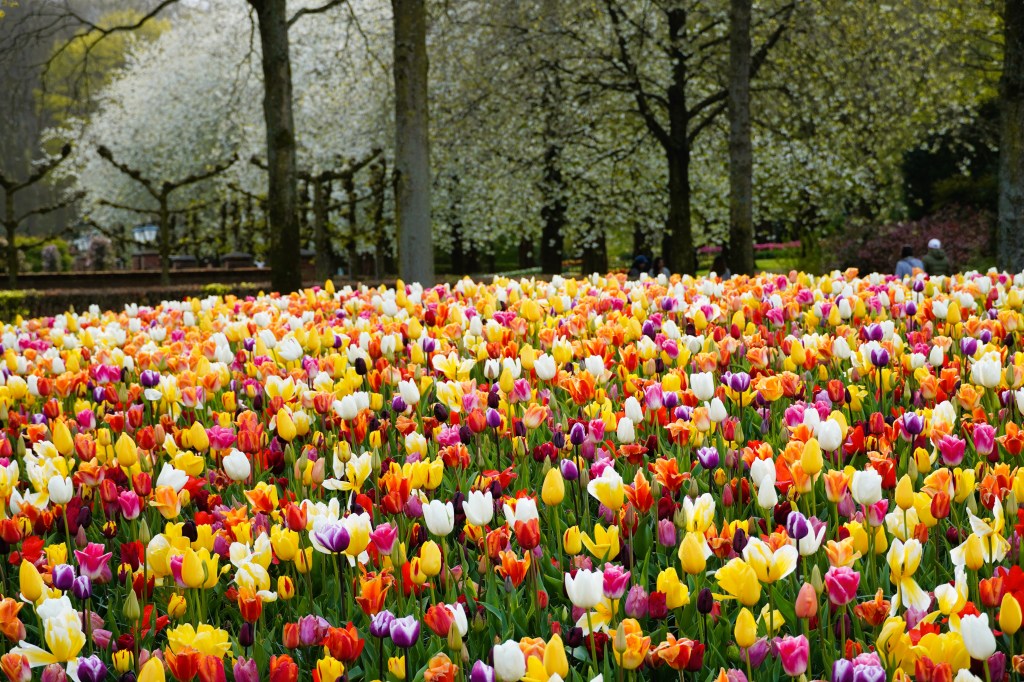
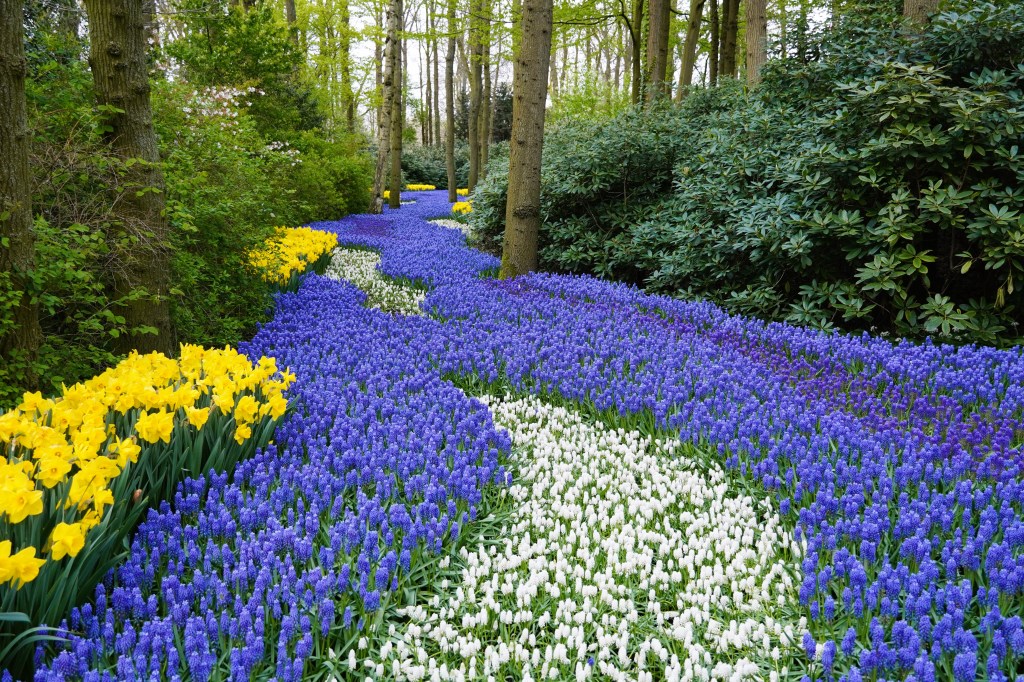
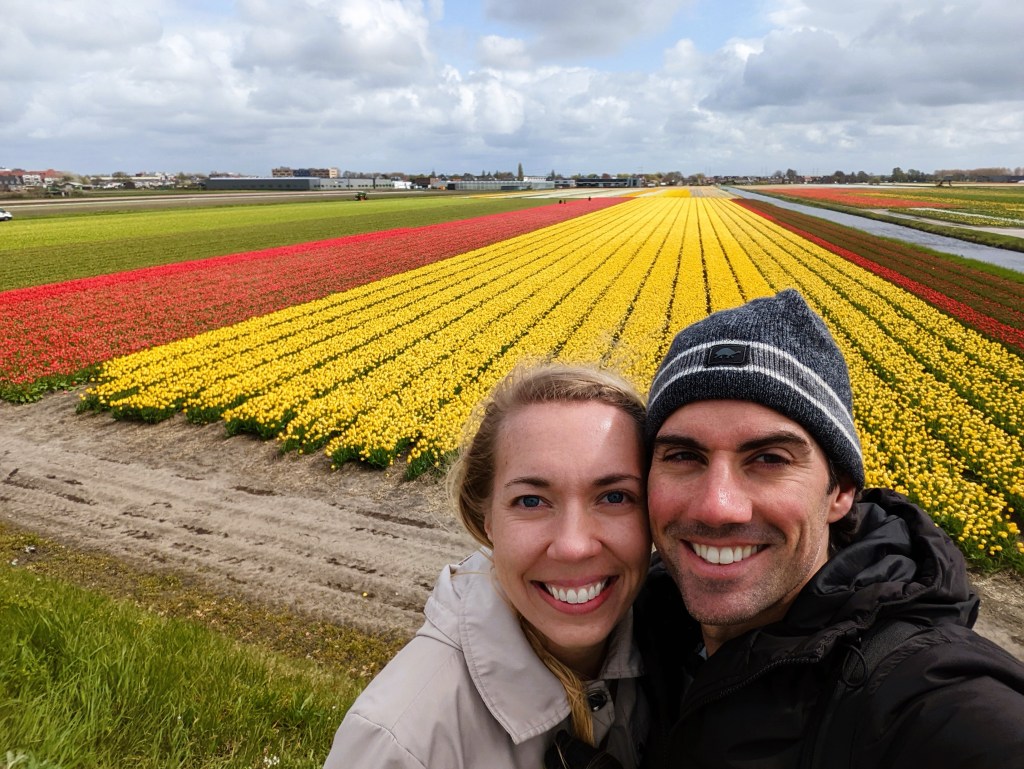
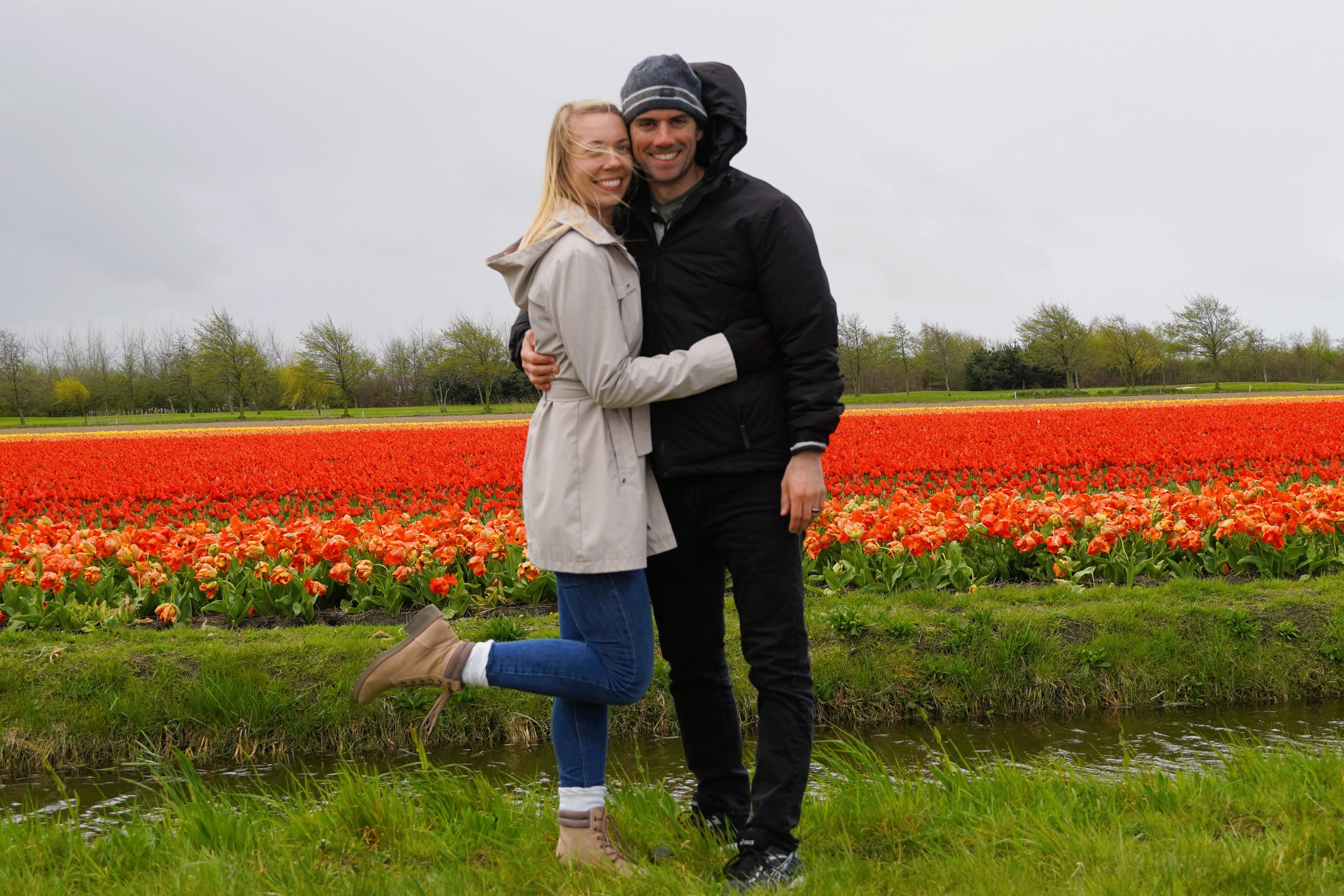
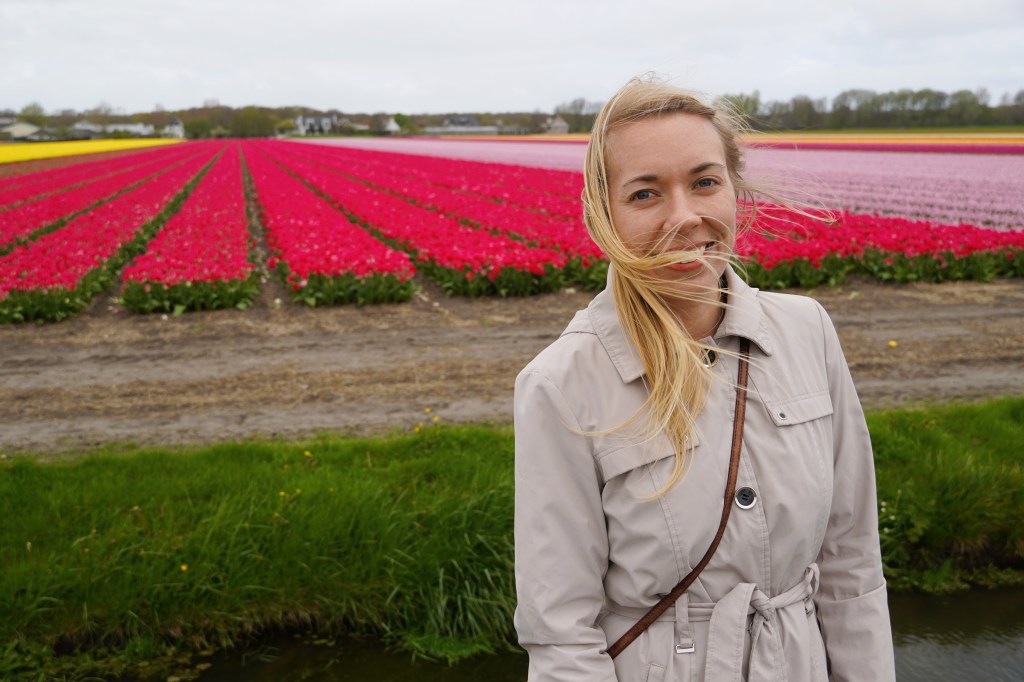
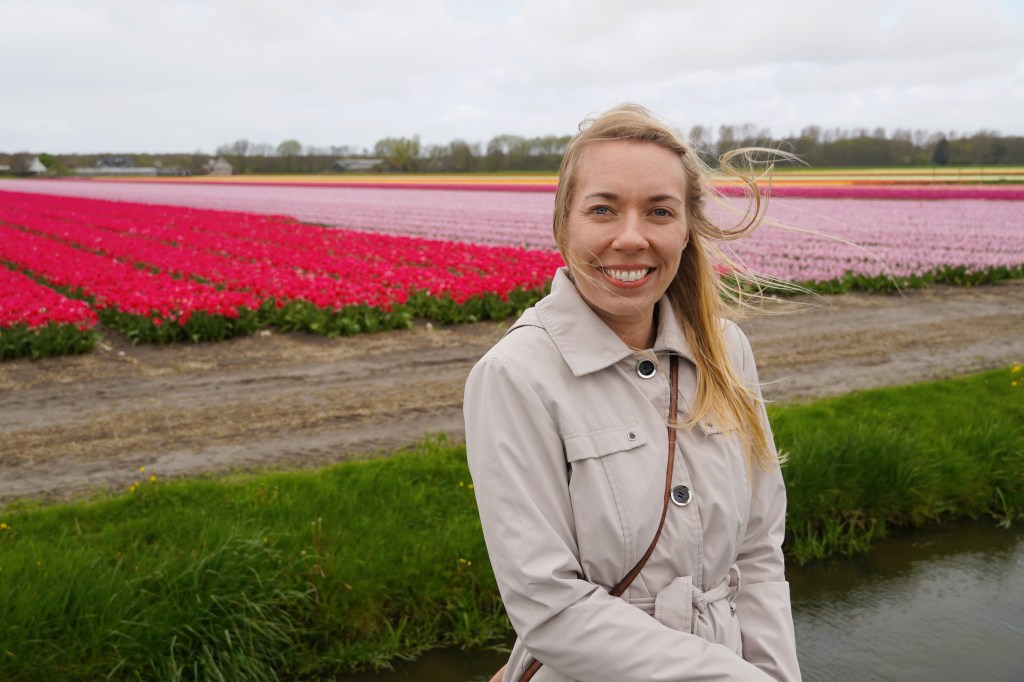
Next, it was time to go find some tulips, and tulips we most definitely found! In the region south of Amsterdam called the Bollenstreek, or “bulb region,” we rented bikes so that we could traverse the countryside as the Dutch do. Add a little bit of rain and a whole lot of wind, and it felt like a truly immersive Dutch day. Soon, we were immersed in field upon field and farm upon farm of bulb flowers—mostly tulips, but also daffodils and hyacinths—in all shades of the rainbow. It was a slow-going cycle trip, as we just couldn’t keep ourselves from stopping, admiring, and snapping pictures at each field we passed. I’ll let photos do the describing, as words just can’t quite capture the beauty.


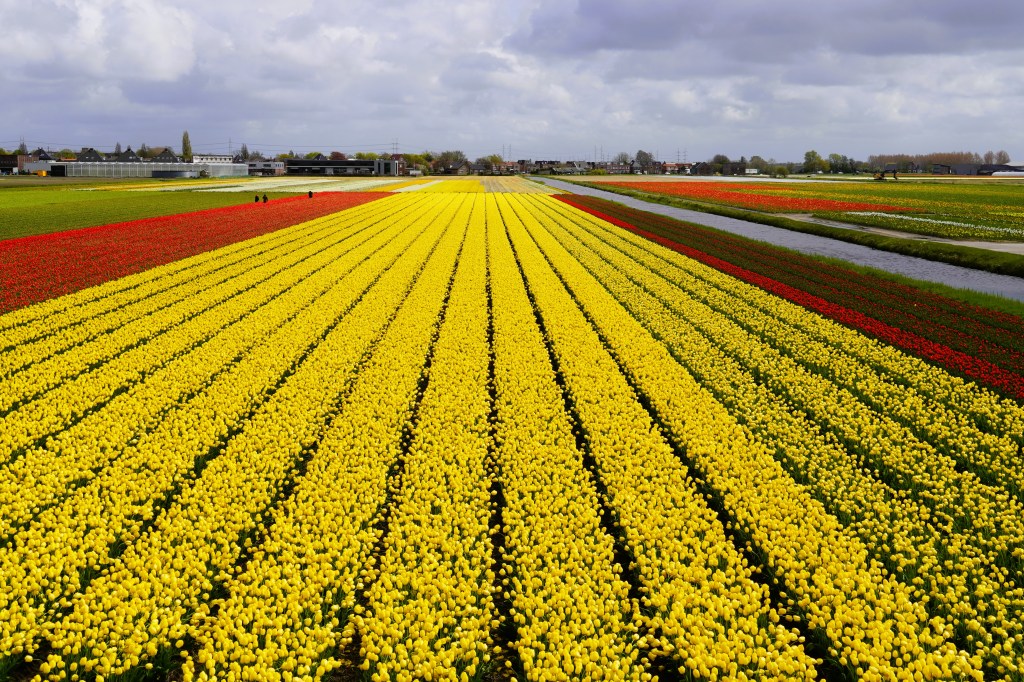
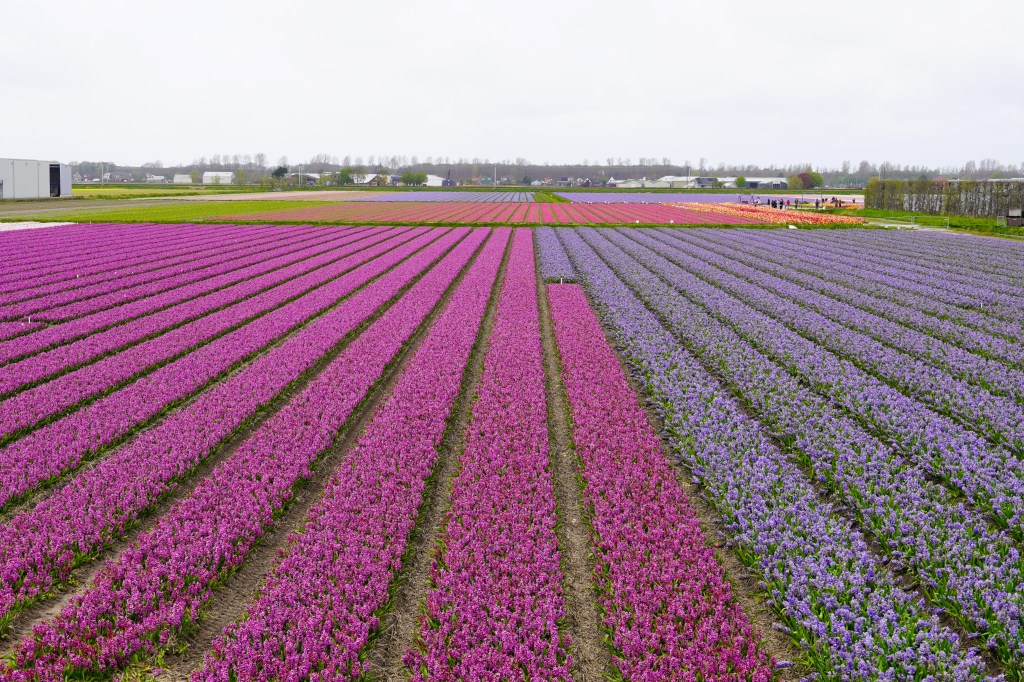
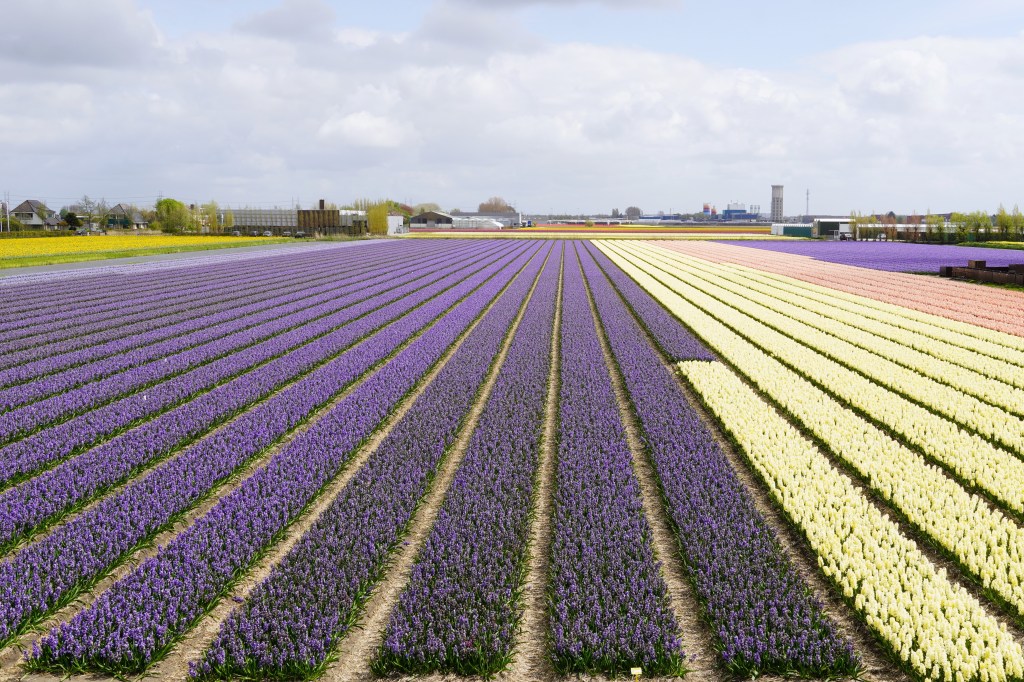
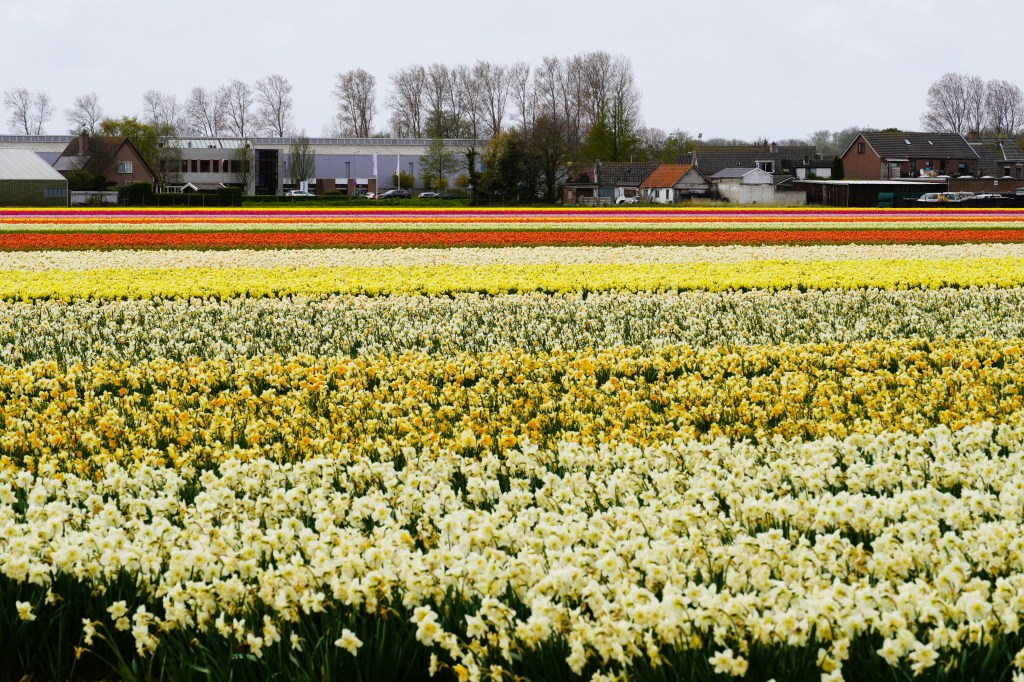
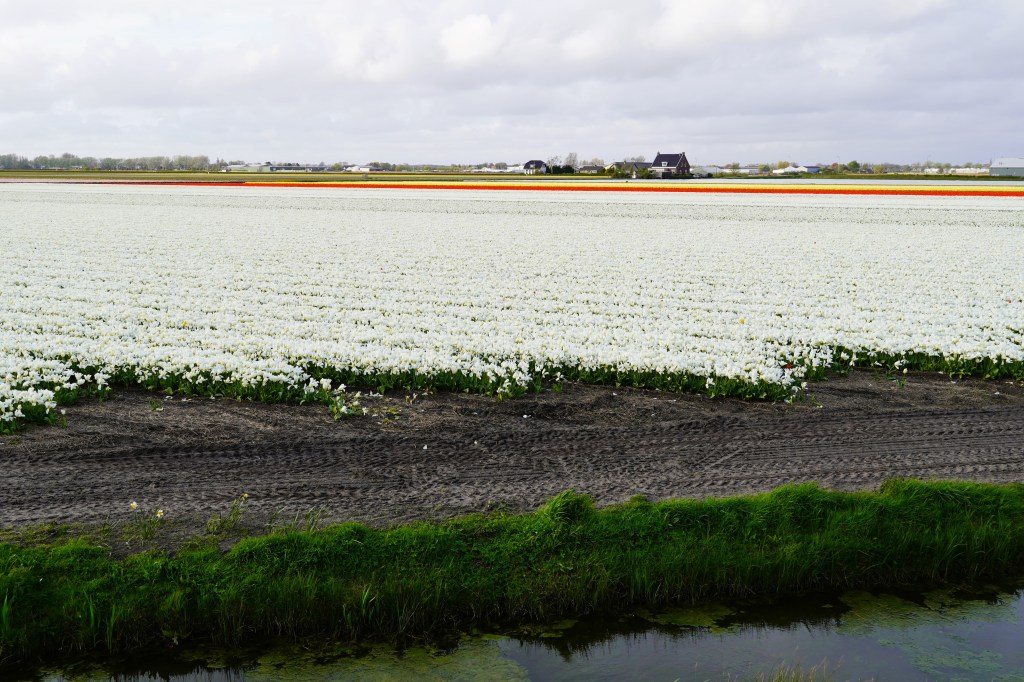
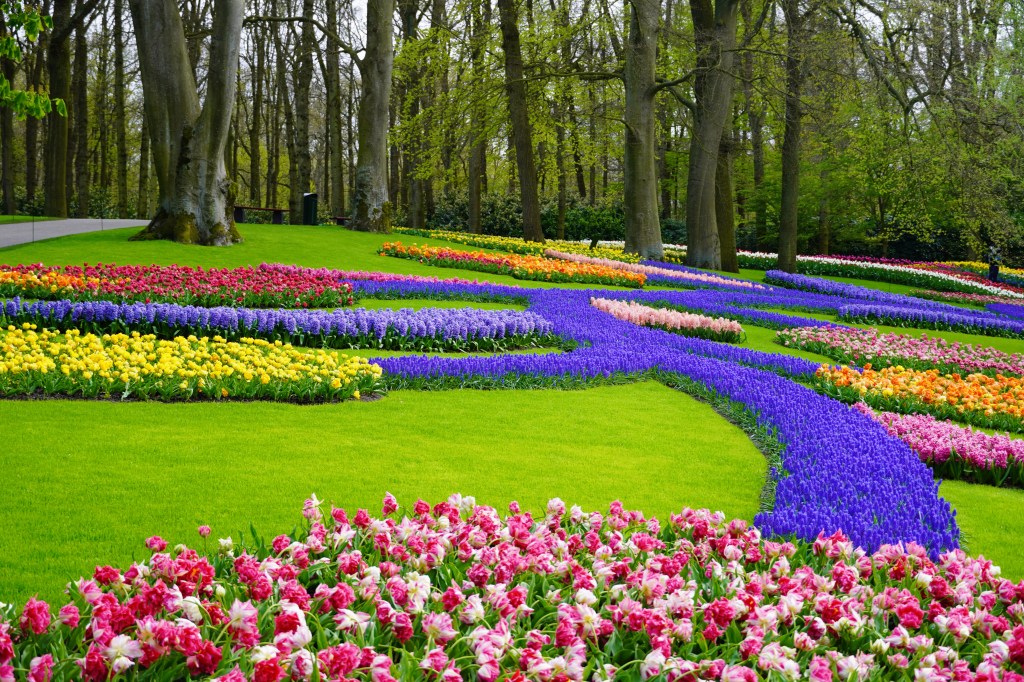
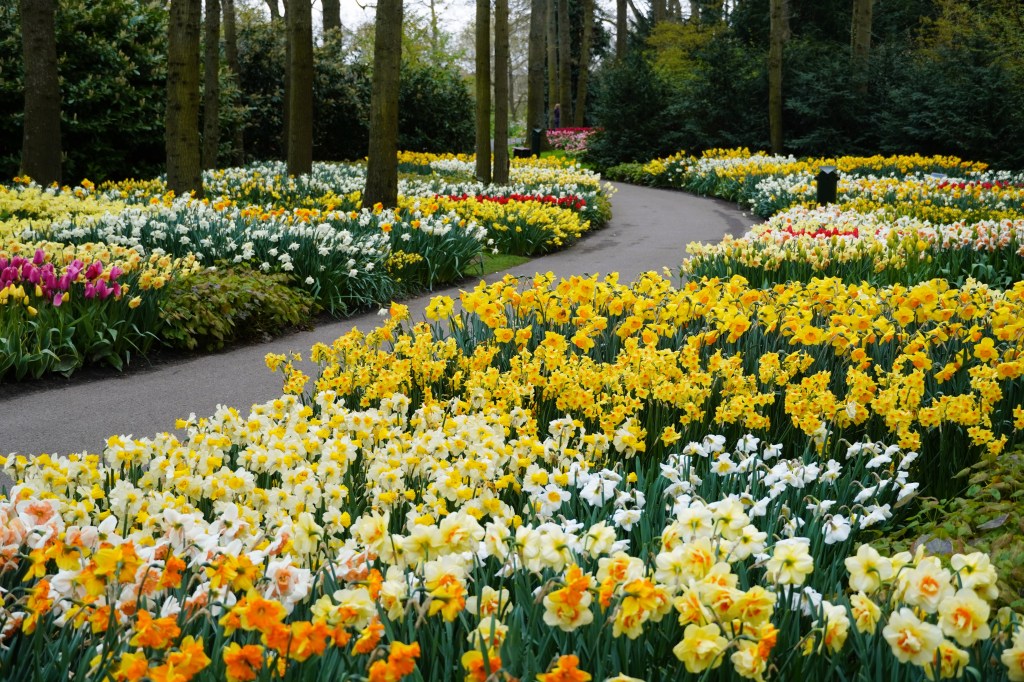
After a few hours of biking through the countryside, we stopped at Keukenhof Gardens for even more flowery fun. We weren’t sure if we wanted to go here, as we had heard stories of the insane tourist crowds that were confirmed when we passed by the gardens on our bikes earlier in the day. We were ultimately glad that we did, however, as the flower gardens are beautiful, and our timing of arriving towards the end of the day turned out to be a smart decision, as the Disneyland-esque crowds from earlier had all but disappeared and we had the gardens largely to ourselves (save this as a travel tip if going to see the Keukenhof Gardens is on your bucket list!). We enjoyed strolling the winding paths along the immaculate flowerbeds and picking our favorite combinations of colors.
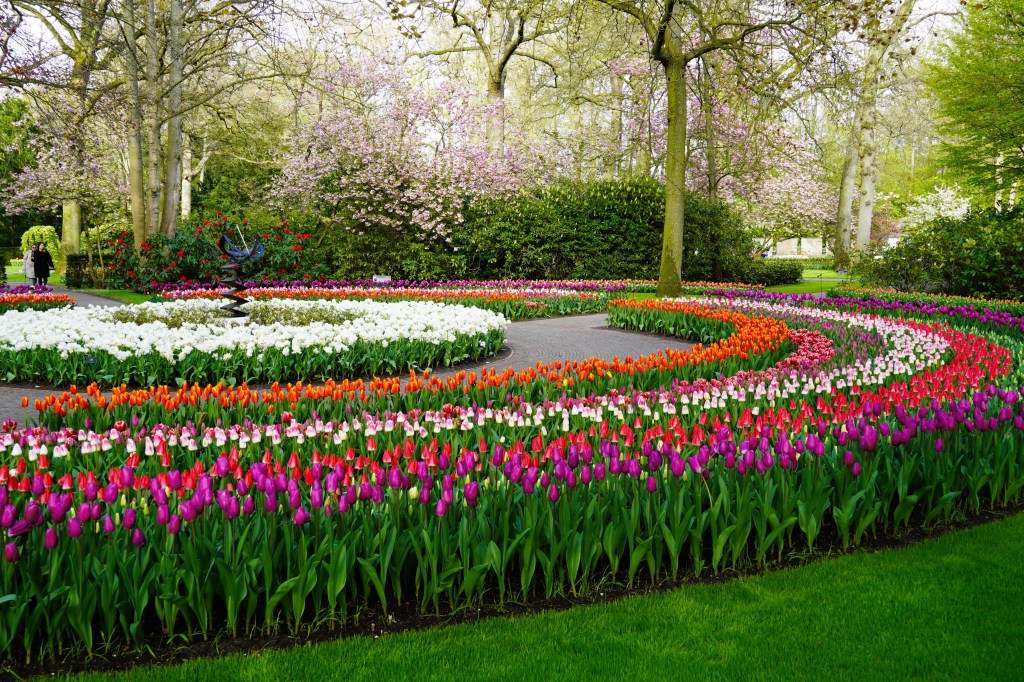
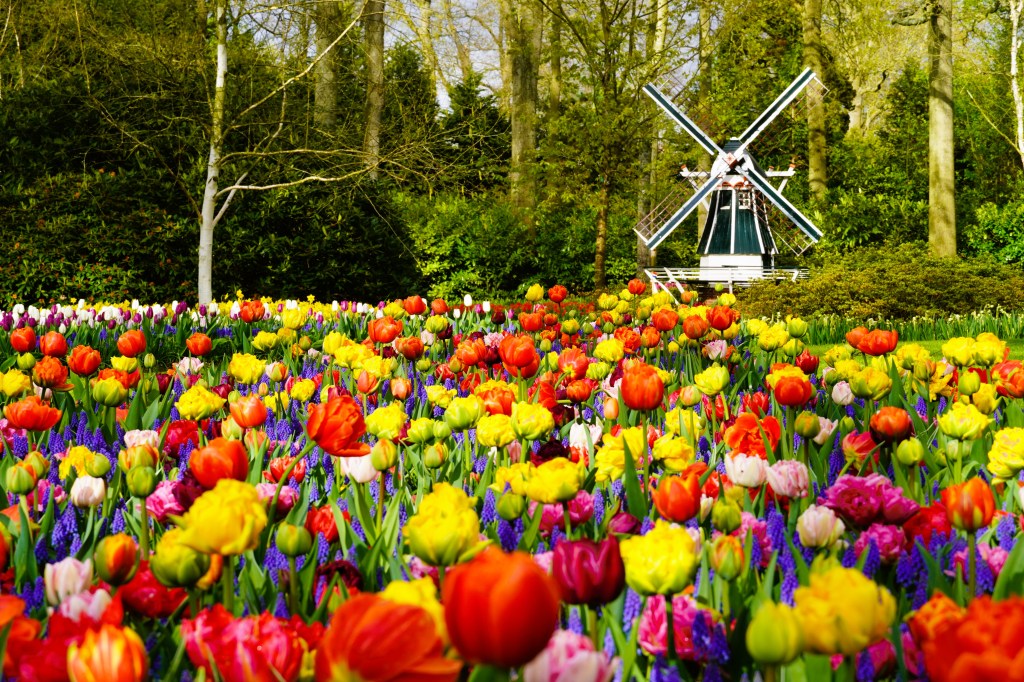
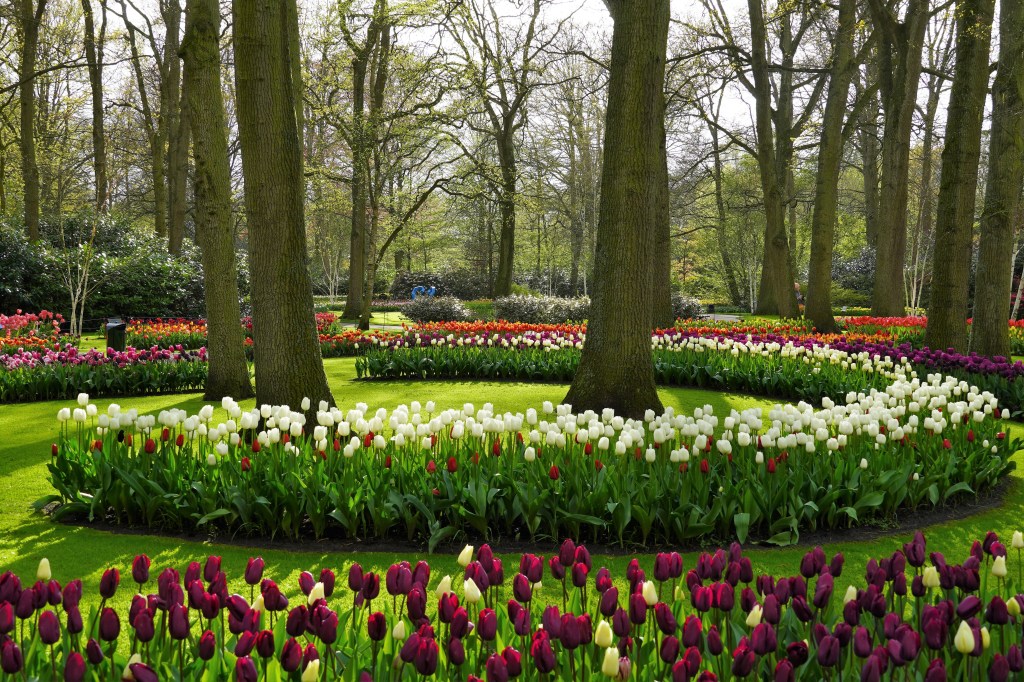
We loved every second of being in Amsterdam and the colorful Dutch countryside. As we began our trip back to Geneva, we paused for a moment to consider just how lucky we are to be able to visit such an iconic and bucket list-worthy place—the tulip fields of the Netherlands—in a rather casual weekend trip. We are most definitely grateful!
Cheers!


 On A Grand Tour
Leave a comment